



Cloud-Like Comfort: Finding Your Next Super Soft Cotton Tee
Why Super Soft Cotton Tees Are the Foundation of Every Great Wardrobe
Super soft cotton tees are the ultimate wardrobe staple. Finding one that delivers true comfort can be overwhelming, but here's what to look for:
Key Factors for Maximum Softness:
- Premium Cotton Types - Pima, Supima, or organic cotton with extra-long staple fibers
- Ring-Spun Construction - Creates stronger, softer fibers than regular cotton
- Combed Process - Removes impurities for a smoother surface
- Quality Knit - Jersey or interlock knit provides the best drape and feel
The global cotton t-shirt market reached $24.1 billion in 2022 and continues to grow as people prioritize comfortable wear. This reflects a simple truth: a truly soft tee isn't just clothing—it's an everyday luxury.
What makes cotton "super soft"? It starts with the fiber. Longer staple lengths (like Pima and Supima) create smoother, stronger fabric. The manufacturing process is also key—ring-spinning twists fibers into finer strands, while combing removes impurities. The result is that buttery-soft feeling that improves with each wash.
However, not all soft tees are equal. Some lose softness, pill, or lose shape after a few washes. The best super soft cotton tees balance comfort with durability, maintaining their feel for years.
I'm David Vail, owner of One Love Apparel. I've spent years sourcing and testing fabrics to create the most comfortable apparel possible. My industry experience has taught me what separates a good tee from a great one, and I'm here to help you find your next favorite super soft cotton tees.
The Science of Softness: What Makes a Cotton Tee Feel Luxurious?
The luxurious feel of a super soft cotton tee isn't just a marketing buzzword; it's based on science. It’s a combination of the raw material, its processing, and the fabric's construction. Like baking a cake, you need the right ingredients and techniques.
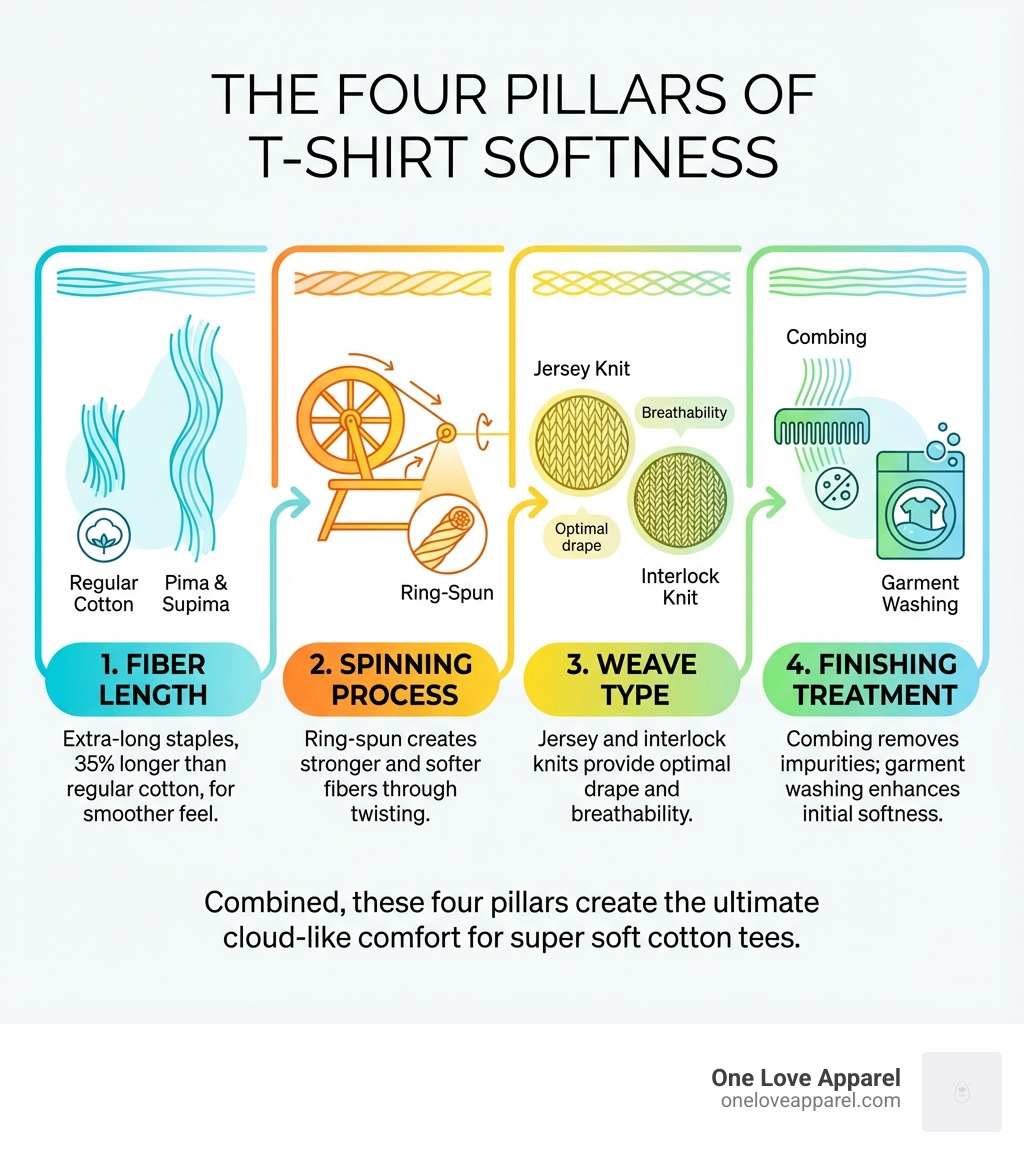
The journey to a soft tee begins with the cotton fiber. The length of the fibers, or staple length, is a primary determinant of softness. Longer fibers mean fewer exposed ends, resulting in a smoother feel.
How cotton is spun and treated also plays a massive role. Traditional carding aligns fibers but leaves impurities. For super soft cotton tees, advanced processes are used to refine the cotton further.
The Role of Fiber Length and Processing
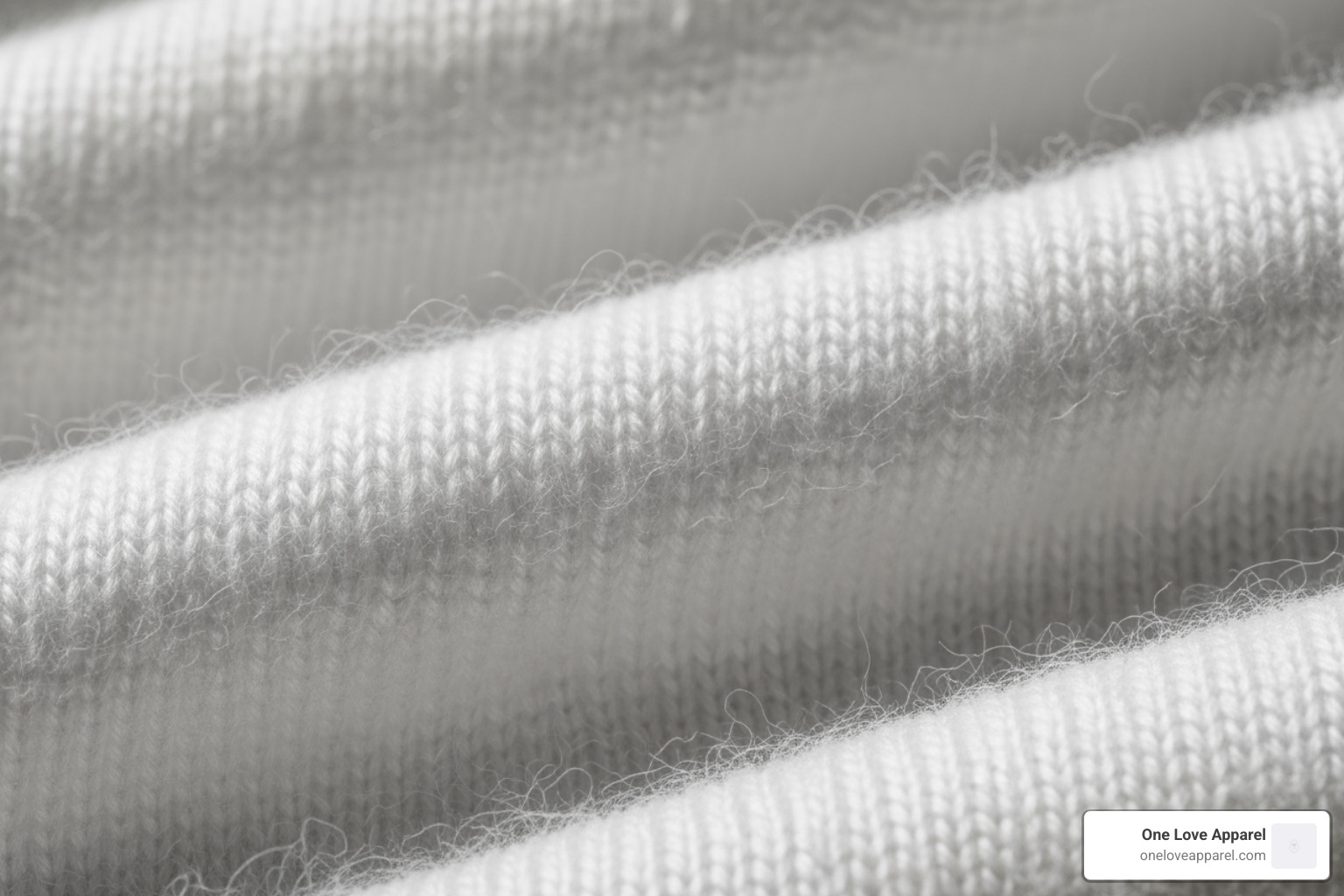
The secret to ultimate softness is the length of the cotton fibers. Like long strands of hair that don't frizz, longer cotton fibers create a smoother fabric.
- Long-staple fibers: These are the superstars of softness, found in varieties like Pima and Supima. Their extra-long staple (ELS) fibers, up to 35% longer than regular cotton, create a smoother, stronger yarn. Fewer fiber ends mean less friction and a silkier texture. Supima, known as the "cashmere of cottons," has fibers twice as strong as regular cotton, ensuring lasting quality.
- Ring-spinning: This modern process twists and thins cotton strands into a finer, stronger, and softer yarn. Unlike open-end spinning, it creates a more uniform and resilient yarn, crucial for the refined texture of super soft cotton tees. Learn more in our guide: Spinning Comfort: Your Guide to Ring-Spun Cotton Hoodies.
- Combing process: After carding separates the fibers, an additional step called combing removes short fibers and impurities. This leaves only the longest, strongest fibers, creating a smoother, cleaner yarn for a more luxurious fabric. The result is key to that buttery soft feeling. Explore this in our article: Beyond Basic: Unraveling Combed Ring-Spun Cotton.
When long-staple fibers, ring-spinning, and combing are combined, they create a cotton yarn that is incredibly soft, durable, and less prone to pilling.
How Weave and Knit Impact the Feel
While fiber and yarn are foundational, the way yarns are knit into fabric also affects a tee's softness and drape. It's the difference between a cozy blanket and structured canvas.
- Jersey Knit: The most common t-shirt knit, jersey is stretchy, breathable, and has a smooth face. Its flexibility and drape contribute to a soft, comfortable feel that moves with you.
- Interlock Knit: A step up from jersey, interlock is like two layers of jersey knitted together. This creates a thicker, heavier, and softer fabric that's smooth on both sides. It has excellent recovery, resists curling, and offers a substantial yet soft feel. Supima cotton's ELS fibers, for example, can be interlock knit for an ultrasoft, silky feel.
- Ribbed Knit: Often used for neckbands and cuffs, ribbed knit has a distinct vertical texture providing excellent stretch and recovery. This helps a tee maintain its shape while contributing to overall comfort.
The choice of knit influences the fabric's drape, breathability, and flexibility. A good knit, combined with premium fibers and processing, ensures your super soft cotton tees are comfortable all day, allowing your skin to breathe and providing a flattering silhouette.
A Closer Look at Premium Cottons: Pima, Supima, and Organic
When we talk about super soft cotton tees, certain cotton varieties consistently rise to the top. These aren't ordinary cottons; they're prized for their exceptional fiber qualities. Let's break down the main contenders.
| Cotton Type | Softness Profile | Durability | Environmental Impact | Cost |
|---|---|---|---|---|
| Pima Cotton | Extremely soft, smooth, silky | High (long-staple fibers) | Moderate (conventional farming) | Mid-High |
| Supima Cotton | Luxuriously soft, superior smoothness, often called "cashmere of cottons" | Very High (extra-long staple, 2x stronger than regular cotton) | Moderate (responsibly farmed, USA grown) | High |
| Organic Cotton | Soft (can vary by staple length, often very soft due to gentle processing) | Varies (can be high if long-staple) | Low (no synthetic pesticides/fertilizers, less water) | Mid-High |
The Benefits of Pima and Supima Cotton
Pima and Supima cottons are the gold standard for super soft cotton tees. They are both types of extra-long staple (ELS) cotton, meaning their fibers are significantly longer than those of conventional cotton. This extra length is key to their superior qualities.
- Superior Softness: Longer fibers mean fewer exposed fiber ends, creating a smoother, silkier fabric. This is why Supima is often called the "cashmere of cottons." The softness is noticeable from the first touch and improves over time.
- Twice as Strong: Supima's extra-long staple fibers are up to twice as strong as regular cotton. This strength translates to longevity, meaning less pilling, tearing, and a garment that maintains its integrity for years.
- Durability and Pilling Resistance: The strength and smooth surface of Pima and Supima cottons make them durable and resistant to pilling. With fewer short fibers, these premium cottons maintain their smooth appearance longer.
- Excellent Color Retention: The fine fibers of Pima and Supima cotton absorb dye deeply and evenly. This results in richer, vibrant colors that resist fading over time.
While Pima is grown in various regions, Supima is a specific type of Pima grown exclusively in the USA. Accounting for only 1% of the world's cotton, it's a rare and valued fiber. Supima farmers often maintain full supply chain visibility, adding to its premium and responsibly sourced status.
Organic vs. Conventional Cotton for your super soft cotton tees
Beyond fiber length, how cotton is grown impacts its softness and environmental footprint. This is where the distinction between organic and conventional cotton is crucial.
- No Synthetic Pesticides or Fertilizers: Organic cotton is grown without harmful synthetic chemicals, protecting the soil, ecosystems, and farmers. Conventional cotton relies on these chemicals, which can harm the environment and human health.
- Environmental Impact: Organic cotton's benefits are substantial. It promotes biodiversity, reduces water pollution from chemical runoff, and often uses less water. This makes it a more sustainable choice, as organic practices prioritize ecological balance.
- Softer Feel from Gentler Processing: Organic cotton is processed without harsh chemicals like toxic dyes or bleaches. This gentler treatment means fibers aren't damaged or stripped of natural oils, often resulting in a naturally softer feel.
- Hypoallergenic Properties: For those with sensitive skin, organic cotton is a great choice. Without chemical residue, it's often more breathable and hypoallergenic, reducing the risk of irritation.
Choosing organic cotton for your super soft cotton tees gives you a soft garment while supporting practices that are better for the planet and its people—a choice we at One Love Apparel deeply believe in.
Beyond the Fabric: Key Features of the Best Super Soft Cotton Tees
Beyond the fabric, the design, fit, and construction quality heavily influence a tee's comfort. These details lift a good tee to a great one.
Finding Your Perfect Fit and Style
Even the softest cotton won't feel comfortable if the fit is wrong. The perfect fit is subjective, but understanding the options helps you find your match.
-
Fit Options:
- Classic Fit: Offers a relaxed, traditional silhouette that provides ample room without being baggy.
- Slim Fit: Tapered through the body and sleeves for a more contemporary, form-fitting look.
- Relaxed Fit: Provides an even looser, more oversized feel than a classic fit, perfect for ultimate casual comfort.
-
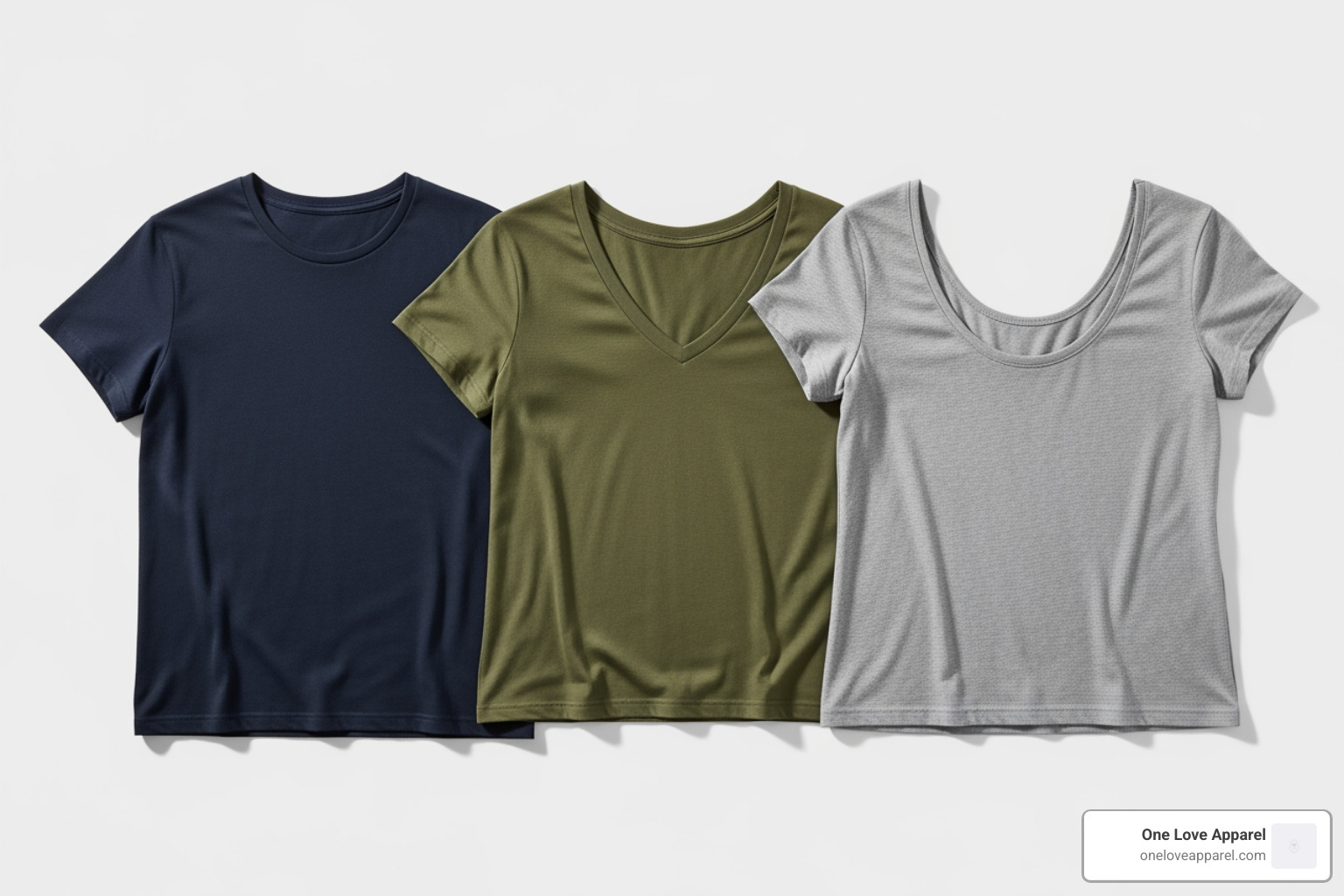
Neckline Options: The neckline can dramatically change the look and feel of a tee.
- Crew Neck: The timeless round neckline, offering a versatile and classic look.
- V-Neck: Creates a more open feel around the neck and can be flattering for many body types.
- Scoop Neck: A wider, deeper curve than a crew neck, offering a more relaxed aesthetic.
- Sleeve Length: From short sleeves for warm weather to long sleeves for layering, the sleeve length affects both style and comfort.
- Body Length: Some tees are designed to fall at the hip, while others might be cropped or tunic-length. Consider your personal preference and how you plan to style the tee.
A truly comfortable tee should feel tailor-made. We encourage you to find your perfect fit, and we’d love your feedback on what makes apparel special. You can join a research community to share your feedback.
Why Construction Details Matter
Luxurious fabric can be undermined by poor construction. How a tee is sewn is crucial for its comfort, durability, and feel.
-
Side Seams vs. Tubular Construction:
- Side Seams: Most modern tees use side seams for a more custom, precise fit.
- Tubular Construction: Some traditional tees are made without side seams. While this offers a seamless feel, it often results in a boxier fit. We prefer side-seamed construction for a flattering, comfortable fit.
- Shoulder-to-Shoulder Taping: A fabric strip sewn over the shoulder seams reinforces them, preventing stretching and tearing. This adds durability and helps the tee maintain its shape.
- Cover-Stitching: Found on hems and necklines, this provides a clean, flat, and comfortable finish that adds strength. It prevents solveing and gives a polished look.
- Tagless Labels: An itchy tag can ruin the comfort of your super soft cotton tee. Many premium tees, including ours, feature tagless labels—either printed directly onto the fabric or woven in smoothly—to eliminate this common irritation. This commitment to removing scratchy elements is key to overall comfort.
- Pre-shrunk Fabric: To avoid surprises after washing, our high-quality tees are pre-shrunk. This process minimizes shrinkage, so the fit you love will last. Still, washing in cold water and tumble drying on low is the best practice to prevent any further changes.
Every stitch, every seam, and every detail matters in creating a tee that feels as good as it looks.
The Secret to Lasting Softness: Care and Washing Best Practices
You've invested in a super soft cotton tee—now, how do you keep it feeling cloud-like? Proper care preserves the luxurious softness you love. Our goal is to help you maintain that "fresh-from-the-package" feel for years.
Washing and Drying Your Tees
The way you wash and dry your super soft cotton tees is critical to maintaining their feel and preventing issues like pilling or shrinkage.
- Wash Inside Out: This protects the outer surface, minimizing abrasion and preserving color and prints.
- Cold Water Setting: Always use cold water. Hot water can cause shrinkage, fading, and fiber breakdown, which reduces softness. Cold water is gentle and effective.
- Gentle Cycle: A gentle cycle is kinder to your tees, reducing harsh agitation that causes fiber damage and pilling. To prevent pilling, don't overload the washer and use a gentle setting.
- Like Colors: A laundry basic, this is crucial for preserving your tee's vibrancy. Washing with like colors prevents dye transfer.
- Avoid Bleach: This harsh chemical weakens cotton fibers, causing a rougher feel and discoloration. Avoid it to maintain softness.
- Tumble Dry Low or Hang Dry: High heat is the enemy of softness and causes shrinkage. Tumble dry on low or hang to air dry. If using a dryer, remove tees while slightly damp to minimize heat and wrinkles. This is especially true for tees with water-based inks, which feel softest after a tumble dry.
Following these practices will ensure your super soft cotton tees remain a delight to wear.
Storing and Maintaining Your Collection of super soft cotton tees
How you treat your tees between wears also contributes to their lasting softness.
- Folding vs. Hanging: For most soft cotton tees, folding is preferred. Hanging can cause stretching or shoulder dimples, especially with drapey fabrics. Folding helps maintain the original shape.
- Avoiding Over-Crowded Closets: Give your tees breathing room. Over-stuffing closets can cause wrinkles and crush fibers, affecting their soft texture.
- Fabric Softeners: While not always necessary for premium cottons, a fabric softener can help maintain a plush feel, reduce static, and prevent pilling by lubricating the fibers.
- Pilling Prevention: Gentle washing is key. If pilling occurs, use a fabric shaver or lint roller to gently remove the pills. Regular maintenance keeps tees looking new.
By treating your super soft cotton tees with a little extra care, you’ll be rewarded with garments that provide cloud-like comfort for a long time.
Frequently Asked Questions about Super Soft Cotton Tees
We often get asked about the nuances of what makes a tee truly soft and how to care for it. Here are some of the most common questions we hear.
Do super soft cotton tees shrink?
Most high-quality tees are pre-shrunk to minimize shrinkage. We offer pre-shrunk t-shirts designed to maintain their fit. However, some residual shrinkage can occur with high heat. To prevent this, wash in cold water, tumble dry on low, and always follow care instructions to preserve your tee's size and feel.
What is the difference between ring-spun and regular cotton?
Ring-spun cotton is made by twisting and thinning cotton strands into a finer, stronger, and softer yarn. This creates a smoother, more luxurious feel. Regular (or open-end) cotton isn't processed this way, leaving more exposed fibers for a coarser feel. Ring-spun cotton is noticeably softer, more durable, and drapes better.
Is a heavier t-shirt always softer?
Not necessarily. Softness depends more on fiber quality (like Pima) and manufacturing (like ring-spinning) than on fabric weight. A lightweight tee made from premium, long-staple cotton can feel much softer than a heavier tee made from lower-quality cotton. For example, a 4.5oz ring-spun cotton tee can feel softer than an 8oz regular cotton tee. Don't let weight be your only guide; consider the cotton type and processing.
Are there different levels of softness within cotton, and how are they measured or described?
Yes, there are distinct levels of softness, often described with terms like "buttery soft" or "cloud-like comfort." While there isn't a standard scientific measurement, we rely on key indicators:
- Staple Length: Longer fibers (Pima, Supima) create softer fabrics.
- Yarn Count: Finer yarns (higher count) produce softer fabrics.
- Processing: Ring-spinning and combing refine fibers for improved softness.
- Weave/Knit: Tightly knit jersey or interlock creates a smooth surface.
- Finishing: Treatments like garment washing can improve initial softness.
These factors combine to create a spectrum of softness.
What role does the dyeing process play in the softness and longevity of cotton tees?
The dyeing process significantly impacts a tee's softness and longevity.
- Chemical Impact: Harsh dyes can strip cotton fibers of natural oils, making them feel stiff. Gentler, eco-friendly dyes preserve the cotton's inherent softness.
- Ink Type for Printed Tees: For printed tees, ink type is crucial. Stiff plastisol inks sit on top of the fabric, while water-based inks dye the fibers directly, maintaining the tee's original softness and breathability. This "no-feel" print gets softer over time.
- Colorfastness: Quality dyeing ensures color won't easily fade or bleed, contributing to the tee's longevity.
The dyeing process is key to both comfort and durability.
Your Guide to Ultimate Comfort
Finding your favorite super soft cotton tee is about understanding that true comfort is the result of premium materials and meticulous craftsmanship. We've covered the key elements:
- Fiber Quality: The superiority of long-staple cottons like Pima and Supima.
- Refined Processing: The power of ring-spinning and combing for soft, durable yarns.
- Conscious Choices: The benefits of organic cotton for your skin and the planet.
- Construction Expertise: The importance of a good fit, seams, and details.
- Diligent Care: Simple steps to preserve softness wash after wash.
At One Love Apparel, we are dedicated to high-quality, comfortable t-shirts made from soft, lightweight combed and ring-spun cotton. Our flattering, pre-shrunk designs for men and women deliver comfort and durability that lasts.
Every day should start with comfort, and a super soft cotton tee is the perfect foundation. Treat yourself to the everyday luxury you deserve.
Ready to find a tee that feels as good as it looks? Find your perfect conversation-starting tee and experience the difference true quality makes.