



Beyond Basic: Unraveling Combed Ringspun Cotton
What Makes Combed Ringspun Cotton Different from Regular Cotton?
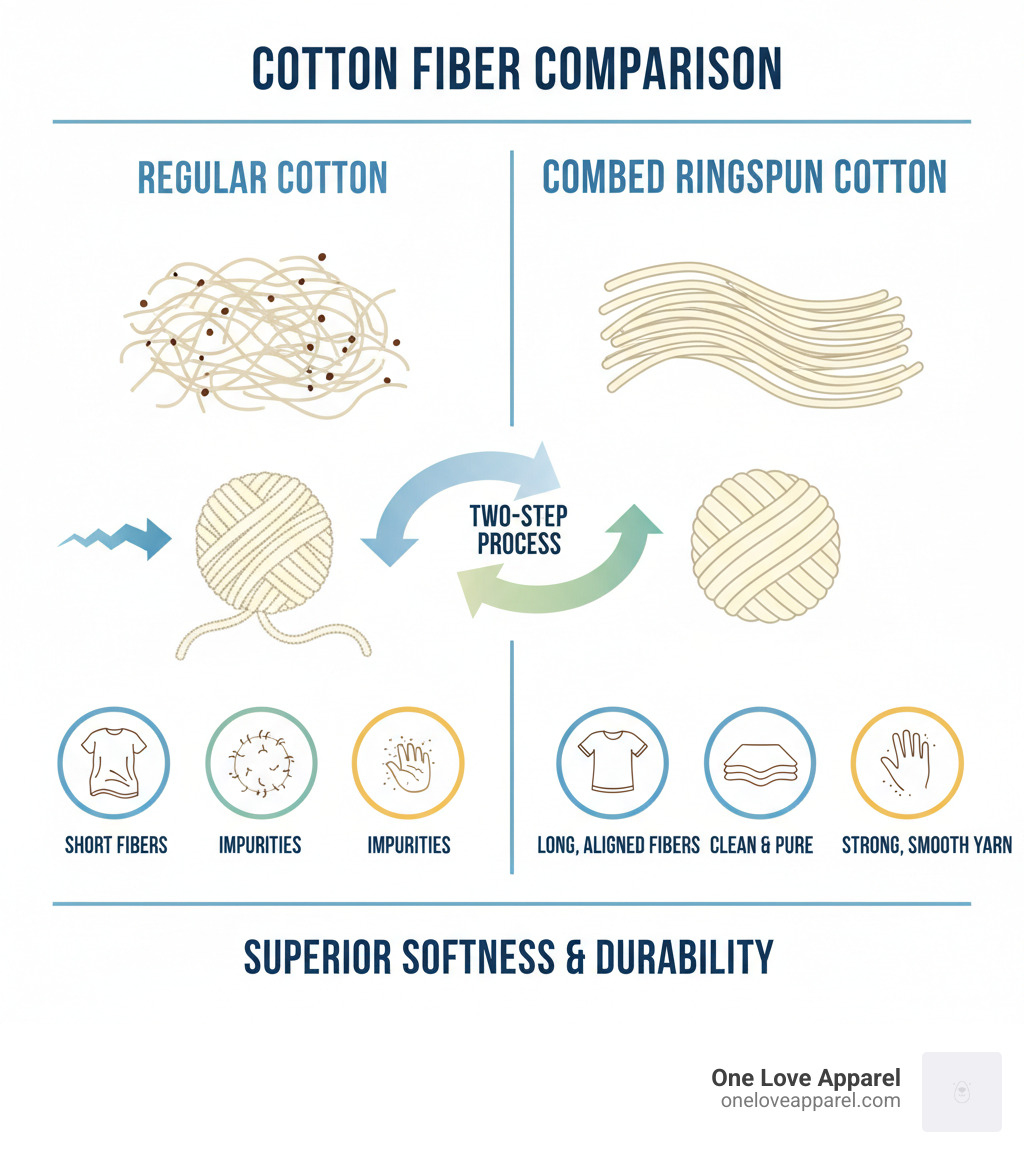
Combed ringspun cotton is a premium fabric created through a specialized two-step process that removes impurities and twists fibers to create exceptionally soft, durable, and smooth yarn. Here's what sets it apart:
- Combing Process: Removes short fibers and impurities, leaving only the longest, strongest fibers
- Ring-Spinning Process: Continuously twists and thins the cotton strands to create tighter, softer yarn
- Key Benefits: Up to 30% stronger than regular cotton, significantly softer feel, smoother printing surface
- Best Uses: T-shirts, hoodies, towels, bed sheets, and any apparel where comfort and durability matter
- Care: Wash in cold water and tumble dry on low to maintain softness and prevent shrinkage
When you grab a t-shirt from your closet, you probably don't think much about the fabric. But not all cotton is created equal.
Regular cotton can feel rough, lose its shape, and develop pilling. This happens because standard cotton uses a simpler spinning method that leaves short fibers and impurities in the fabric, creating an uneven, scratchy texture.
Combed ringspun cotton takes a different approach. It undergoes two extra steps: combing to remove short fibers and ring-spinning to twist the remaining long fibers into smooth, strong yarn. The result is fabric that feels softer, lasts longer, and looks better—even after dozens of washes. This matters whether you're building a wardrobe of comfortable, durable pieces. Over 80% of people prefer ringspun cotton for its softness, and its durability means you won't need to replace your favorite pieces as often.
I'm David Vail, and through my work with One Love Apparel and years in the apparel industry, I've seen how fabric quality transforms the wearing experience. Understanding what makes combed ringspun cotton superior has been essential in creating garments that deliver both comfort and lasting value.
The Making of a Superior Fabric: How Cotton is Transformed
That incredibly soft t-shirt you reach for again and again? It didn't start out that way. Raw cotton is rough and full of impurities. The change of raw cotton into combed ringspun cotton is a careful, multi-step process that separates premium fabric from the basic stuff.
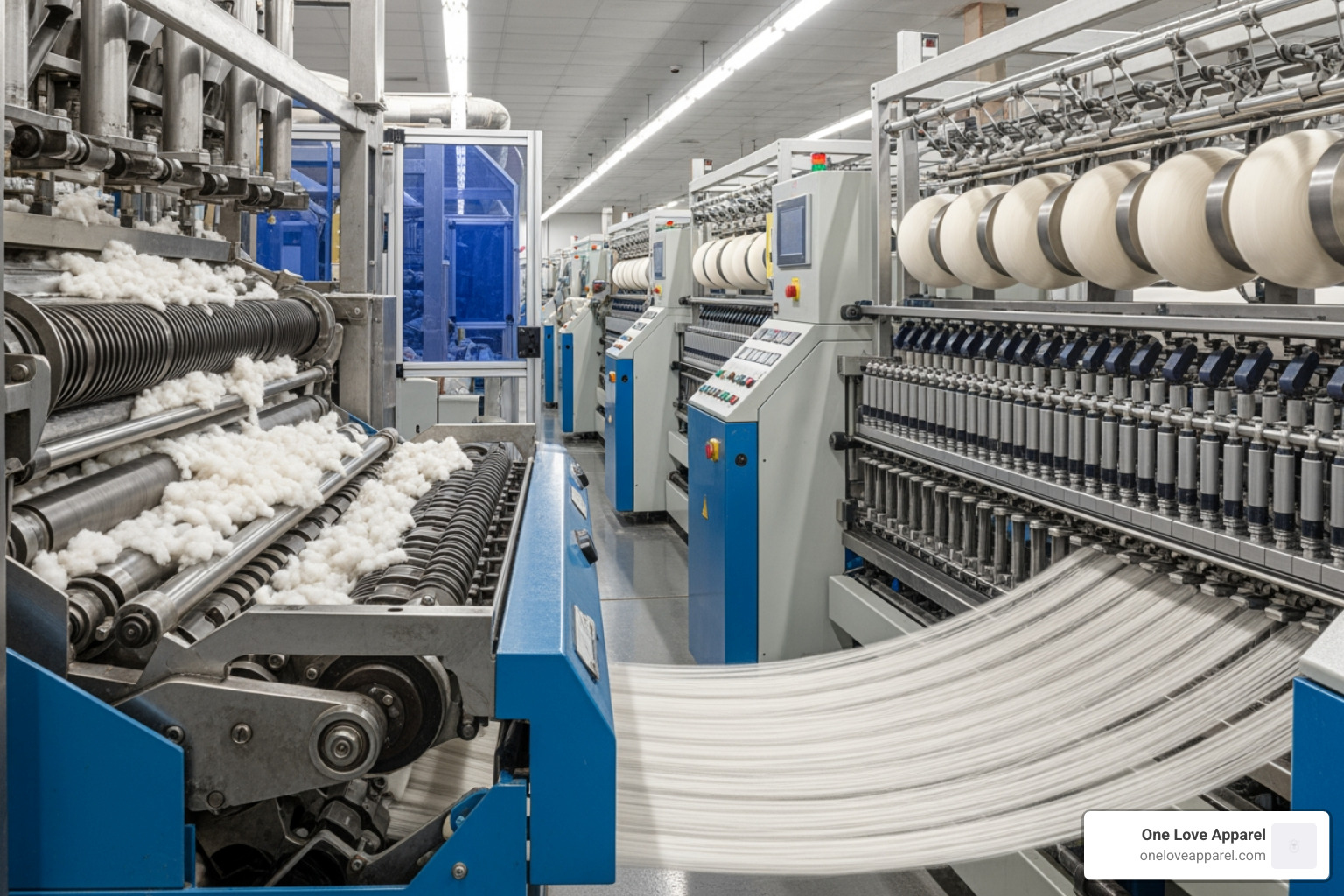
After cotton is harvested, it goes through ginning to separate fibers from seeds and debris. Next comes carding, which disentangles and aligns the fibers. While standard cotton stops here, combed ringspun cotton undergoes two additional steps: the combing process and the ring-spinning technique.
These extra steps require more time and equipment but are worth it for the final fabric. The combing process removes rough, weak fibers, and the ring-spinning process twists the purified fibers into incredibly smooth, strong yarn. This yarn is then woven and dyed, holding color beautifully due to its smooth, tight construction.
The "Combed" Difference: Removing Impurities
Imagine running a fine-toothed comb through tangled hair; that's essentially the combing process for cotton. After carding, specialized machinery combs the fibers, systematically removing all short fibers and remaining impurities.
What's left are only the longest, strongest, most uniform fibers, creating consistency in the yarn. The benefits are immediate: the yarn becomes noticeably smoother, with no fiber ends sticking out to feel rough against your skin. The yarn also becomes significantly stronger, as it's made exclusively from long, sturdy strands, making it more durable and resistant to breaking. This purifying of fibers also helps with color, as dyes penetrate more evenly, resulting in brighter colors and a surface that resists pilling.
The "Ringspun" Technique: Creating Strength and Softness
Once combed, the fibers move to the ring-spinning stage. Unlike coarser open-end spinning, ring-spinning is a continuous process of twisting and thinning the cotton strands. This creates a fine, strong, and soft yarn by aligning the fibers uniformly.
When woven, this yarn produces a tighter weave, giving combed ringspun cotton its refined appearance and smooth surface. The durability boost is impressive, as ring-spun cotton is up to 30% stronger than regular cotton. This process also creates unparalleled softness, often described as having a "buttery" feel.
You may see a singles count (e.g., 30s) on apparel, which indicates yarn fineness; a higher number means a finer, softer, and often lighter fabric. This combination of combing and ring-spinning is what we use at One Love Apparel, which is why our t-shirts are so comfortable and stay that way wash after wash.
Fabric Showdown: Combed Ringspun vs. Other Cottons
When you're shopping for a new t-shirt, the label might just say "100% cotton." But as we've finded, that simple phrase doesn't tell the whole story. The way that cotton is processed makes all the difference between a shirt that feels like sandpaper and one that feels like a cloud.
Let's compare combed ringspun cotton with the standard cotton you'll find in most basic tees. The moment you touch them side by side, you'll understand why we're so passionate about fabric quality.
| Attribute | Combed Ringspun Cotton | Standard Cotton (Carded Open-End) |
|---|---|---|
| Softness | Exceptionally High | Low to Medium (often rough) |
| Durability | Very High | Medium |
| Pilling | Low | High |
| Price | Higher | Lower |
| Texture | Smooth, Silky | Coarse, Stiff |
| Printability | Excellent (smooth canvas) | Poor to Medium (uneven surface) |
The differences aren't subtle. When you run your hand across combed ringspun cotton, it feels smooth and silky. There's a refined quality to it that you can immediately sense. Standard cotton, on the other hand, often feels rougher and less polished—because it literally is.
Standard Cotton (Carded Open-End)
Most basic cotton t-shirts are made from what's called carded open-end cotton. This is the no-frills version of cotton fabric that skips the combing process, leaving short fibers and impurities in the yarn. This creates a rougher texture that can feel scratchy and results in a heavier, bulkier garment. After a few washes, pilling often occurs, making the shirt look worn out.
The main advantage of standard cotton is its lower price, making it common for promotional or budget apparel. However, it falls short for printing. The uneven surface creates an inconsistent canvas, so ink doesn't lay smoothly, colors are less vibrant, and designs don't last.
At One Love Apparel, we believe your everyday wardrobe deserves better. The difference in comfort between standard cotton and combed ringspun cotton is transformative, which is why we choose premium fabrics for every piece we create.
Why Choose Combed Ringspun Cotton for Your Wardrobe?
Now that we've explored how combed ringspun cotton is made, the "why" becomes clear. Choosing this fabric is an investment in a superior wearing experience that transforms everyday comfort.
Think of your favorite t-shirt; it's likely made from quality fabric. At One Love Apparel, we use soft, lightweight combed ringspun cotton to create those cherished items you reach for again and again. Premium fabric is about more than physical comfort. Feeling good in your clothes boosts your confidence, amplifying The Power of Self-Expression: Unleashing Your Authentic Voice. A scratchy, ill-fitting shirt can detract from your day, while premium cotton becomes part of your comfort routine.
The Best Softness and Durability of Combed Ringspun Cotton
Combed ringspun cotton earns its reputation by offering genuine softness without sacrificing strength. The superior feel—often described as buttery or silky—is the direct result of its meticulous creation process. This softness makes it a pleasure to wear, proving that Finding Joy in the Little Things: Embracing Everyday Happiness can start with a comfortable garment.
But this fabric is also remarkably tough, offering up to 30% more strength than regular cotton. It resists tearing and holds up to daily wear. The breathability is another key benefit, as the fine fibers allow air to circulate freely. Crucially, garments made from this premium cotton hold their shape, so your favorite shirt won't stretch or sag.
Printing and Embellishment Advantages
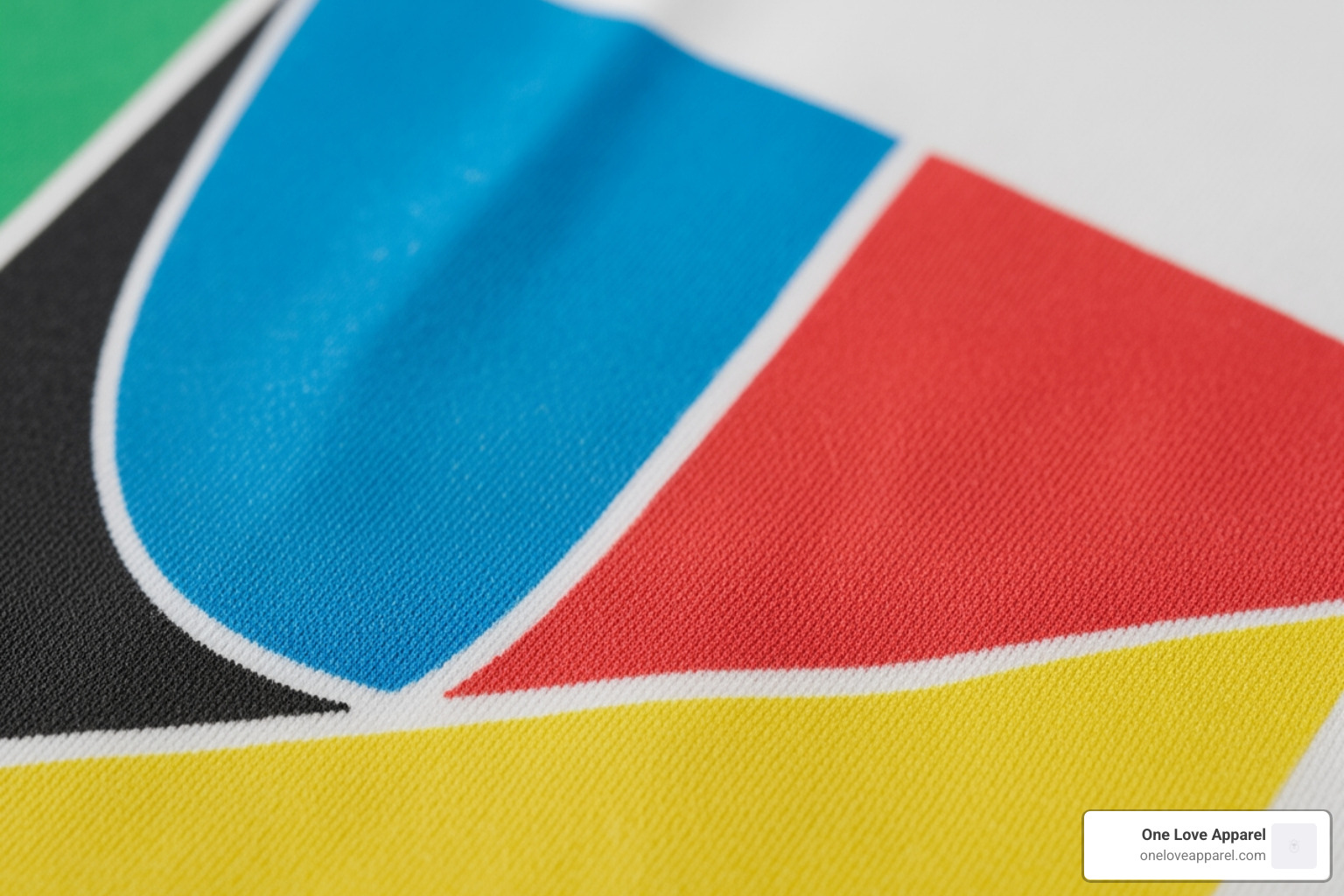
The fabric surface is critical for quality printing, and combed ringspun cotton offers serious advantages. Its smooth printing surface, free of impurities, creates an even canvas for any design. For direct-to-garment (DTG) printing, this means higher resolution and more vibrant colors. Traditional screen printing and heat transfers also benefit, as inks and vinyl adhere beautifully to the tight weave. This prevents issues like dye bleeding or fibrillation (fibers poking through the print). The result is vibrant colors and crisp details that make designs look professional and last as long as the shirt itself.
Caring for Your Premium Cotton: Longevity and Care Tips
You've invested in high-quality combed ringspun cotton apparel; proper care ensures it stays soft, vibrant, and perfectly fitted. While durable, this fabric responds best to gentle handling.
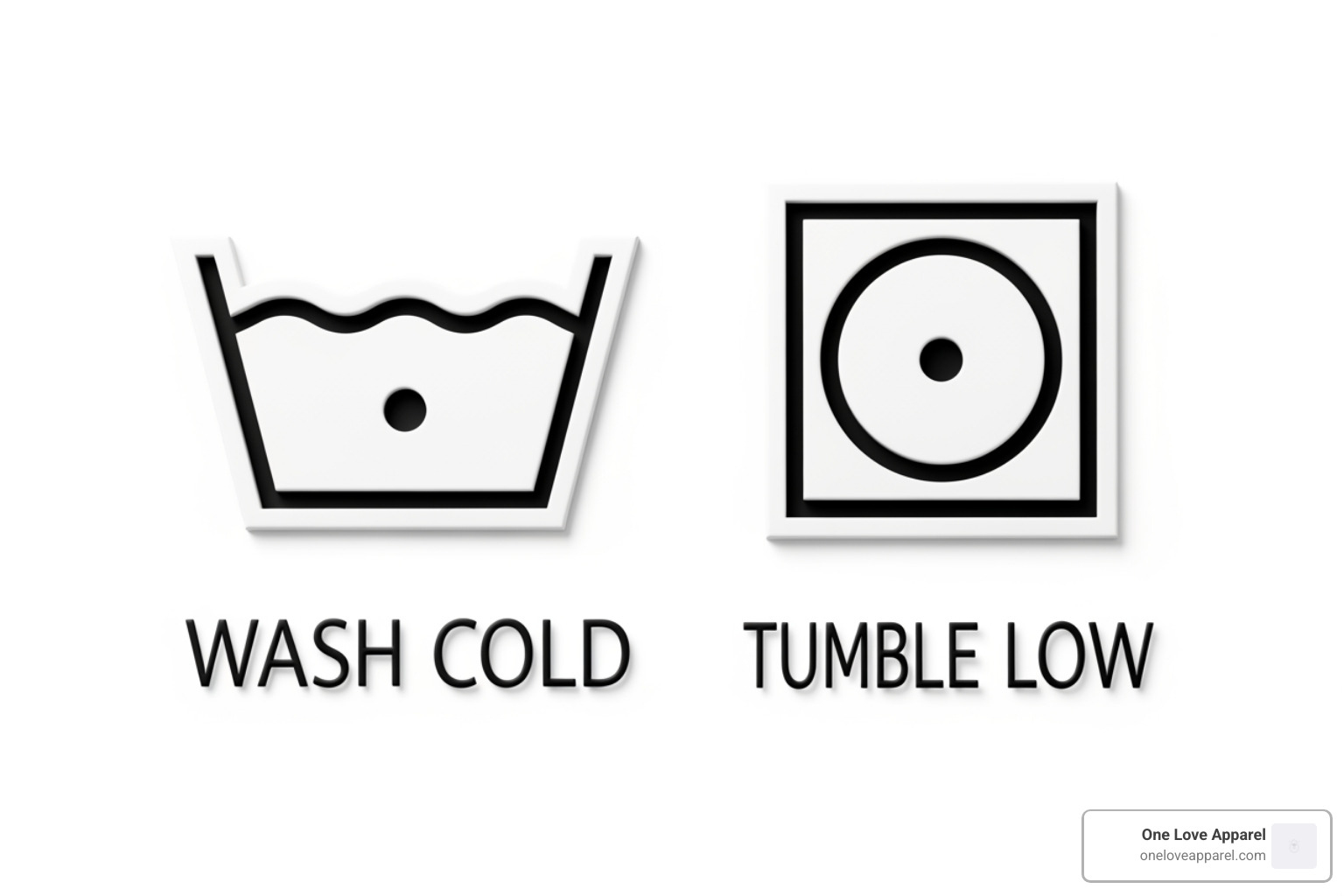
Always check the garment's care label, but for most pieces, we recommend these simple habits: Turn garments inside out before washing to protect prints. Use cold or lukewarm water and a gentle cycle to prevent shrinkage and fading. Most importantly, avoid high heat when drying, as it's cotton's biggest enemy. If ironing, use medium heat on the inside of the garment. These habits will help your premium cotton maintain its shape and softness.
How to Prevent Shrinkage and Maintain Softness
To prevent shrinkage and maintain softness, a little care goes a long way, even with pre-shrunk garments. Cold water is your best friend; hot water causes cotton fibers to contract. Washing on a gentle cycle also reduces stress on the fabric. Drying is where most shrinkage happens, so avoid high heat. Use the lowest dryer setting or, better yet, air dry items flat. This is the gentlest method for preserving shape and softness. A surprising tip: skip the fabric softener, as it can build up on cotton fibers and reduce their natural softness. Taking care of your clothes is a form of self-care, as we explore in The Importance of Practicing Self-Care Explained.
Are There Any Disadvantages?
We're clearly enthusiastic about combed ringspun cotton, but let's be honest—no fabric is perfect for every situation. Here are a few considerations to keep in mind.
The cost is slightly higher. Because of the extra steps involved in combing and ring-spinning, this premium cotton costs more than basic carded open-end cotton. We see it as an investment in comfort, durability, and quality that pays off over time, but it's worth considering if budget is a primary concern.
It dries slower than synthetic fabrics. Like all 100% cotton, combed ringspun cotton takes longer to dry than polyester or other synthetics. While its breathability makes it wonderfully comfortable to wear, if you need something that dries rapidly for intense athletic activities or frequent travel, a synthetic blend might be more practical.
Sublimation printing won't work on it. If you're looking for those vibrant, all-over sublimation designs, you'll need polyester content for that printing method to work. Pure combed ringspun cotton isn't compatible with sublimation, though it's excellent for every other type of printing.
It can shrink if you're not careful. While many garments come pre-shrunk, all cotton has the potential to shrink when exposed to high heat. This isn't unique to combed ringspun cotton—it's just a characteristic of the natural fiber that requires mindful washing and drying.
These are minor trade-offs when you consider the exceptional softness, durability, and printing quality that combed ringspun cotton delivers. For everyday apparel where comfort and longevity matter most, the advantages far outweigh these few limitations.
Frequently Asked Questions about Combed Ringspun Cotton
We love talking about fabric! Over the years, we've had countless conversations with customers who want to understand exactly what makes their favorite tees feel so amazing. Here are the questions we hear most often, along with honest, straightforward answers.
What is Airlume cotton and how does it relate?
You may have seen the term "Airlume cotton" on premium t-shirts. Airlume is a brand name for an ultra-premium version of combed ringspun cotton. The process is similar but more intensive, removing significantly more impurities and using only the longest, strongest (long-staple) cotton fibers. This results in a fabric that is even softer, smoother, and lighter, with a pristine surface ideal for printing. Essentially, all Airlume cotton is combed ringspun cotton, but it represents the highest standard of the process.
What is the environmental impact of production?
The environmental footprint of combed ringspun cotton has both challenges and opportunities. The extra processing steps use more energy and water than standard cotton production. Traditional cotton farming can also be resource-intensive. However, the apparel industry is making positive changes. Many manufacturers now use eco-friendly dyes, water-reduction techniques, and advanced wastewater treatment. When shopping, look for certifications that signal more sustainable practices. The Better Cotton Initiative (BCI) promotes better farming standards globally, while certifications like GOTS (Global Organic Textile Standard) and OEKO-TEX ensure fabrics are processed without harmful chemicals. Choosing organic cotton also supports healthier ecosystems. We believe quality and responsibility go hand-in-hand and are committed to improving the sustainability of our operations.
Where can I buy high-quality combed ringspun cotton apparel?
The best place to start is right here at One Love Apparel. We specialize in high-quality t-shirts made from soft, lightweight combed ringspun cotton, designed for lasting comfort. When shopping elsewhere, look for specialty retailers that prioritize fabric quality. Read product descriptions carefully and look for the specific phrase "combed ringspun cotton." For businesses or bulk purchases, wholesale distributors are a great option for accessing premium blanks at a lower cost. Don't hesitate to ask brands about their fabric and manufacturing processes. A company proud of its product will be happy to share the details.
Conclusion
So here we are, at the end of our cotton journey. We've seen how meticulous craftsmanship transforms raw cotton into combed ringspun cotton—a fabric that's genuinely softer, stronger, and a smoother canvas for vibrant designs. It's the difference between a shirt you tolerate and one you love.
At One Love Apparel, we choose combed ringspun cotton because we believe you deserve clothing that feels as good as it looks and lasts for years. Choosing this fabric is choosing quality that lasts, turning a simple garment into something more meaningful. As we explore in Wearing Your Heart on Your Sleeve: How Apparel Can Spark Conversations About Causes That Matter, the right apparel can spark important connections.
With combed ringspun cotton, you get comfort, durability, and quality that makes every day a little bit better.