

Turning Pages, Turning Tides: Children's Literature for Bullying Prevention
Why Children's Books Are Essential Tools in Fighting Bullying
Children's book bullying resources offer parents and educators powerful tools to address one of today's most pressing social challenges. Here are the key ways these books help:
- Build empathy by showing different perspectives on bullying situations
- Provide safe discussion spaces for children to express their feelings
- Teach identification of bullying behaviors vs. normal conflict
- Model positive responses and coping strategies
- Encourage bystander intervention and "upstander" behavior
- Address different types including verbal, social, physical, and cyberbullying
Bullying affects countless children in our schools and communities, creating lasting emotional wounds that can impact self-esteem, sense of safety, and overall well-being. The child being bullied feels powerless, classmates who witness it often don't know what to do, and even the child doing the bullying is struggling with their own challenges.
But here's the good news: stories have incredible power to change hearts and minds.
Children's books about bullying don't just tell stories - they open doorways to meaningful conversations. They help kids see the world through different eyes, understand complex emotions, and learn that they have choices in difficult situations. Whether a child is 3 or 12, the right book can validate their feelings, teach them new strategies, and show them they're not alone.
These carefully chosen stories become bridges between the scary, confusing world of social conflict and the safe space of understanding and growth.
I'm David Vail, and through my work in business development and as owner of One Love Apparel, I've seen how positive messaging and community support can combat negativity. My experience has shown me that children's book bullying resources are among the most effective tools for building the kind of inclusive, supportive communities we all want to create.
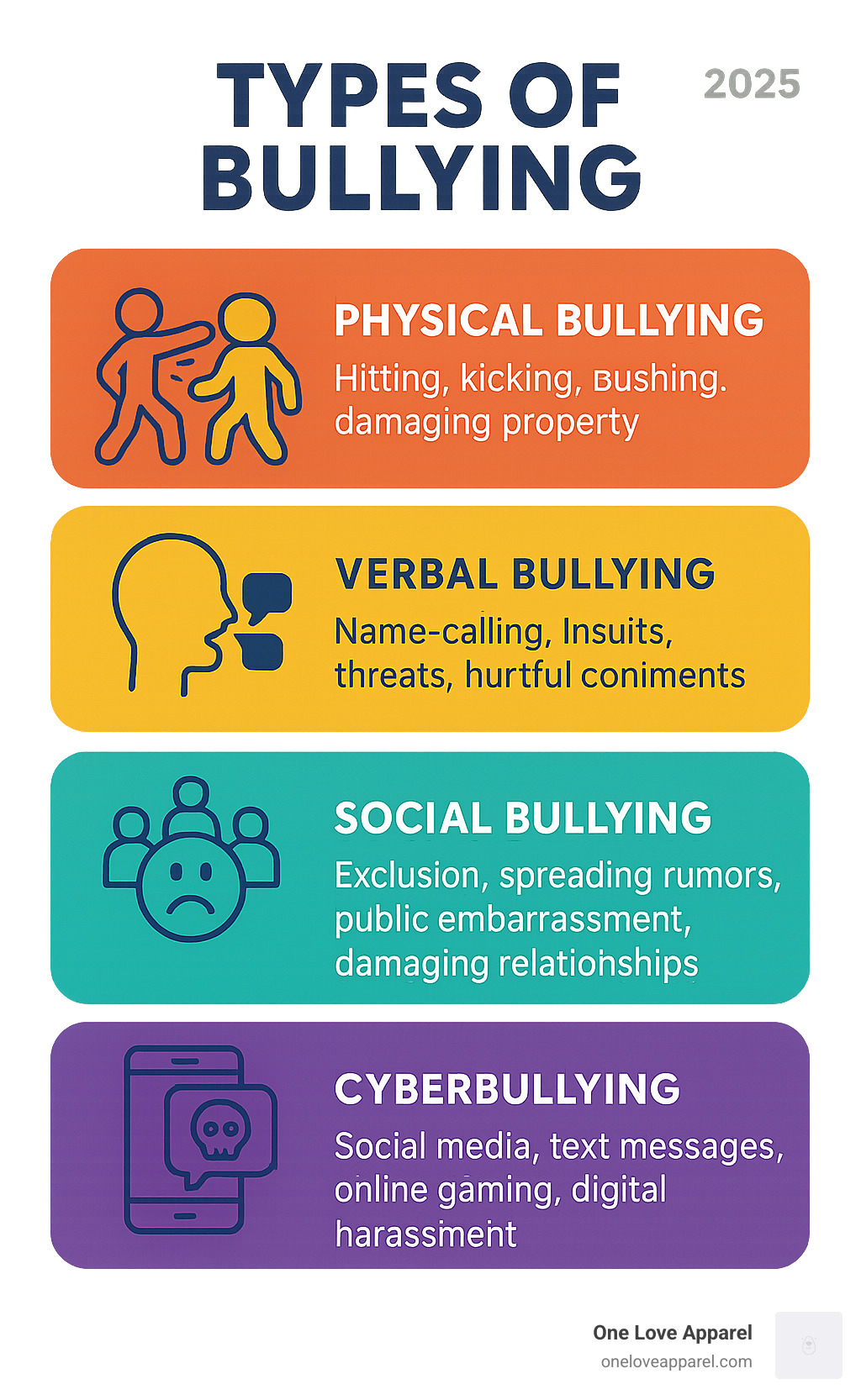
Why Stories Matter: The Power of Books in Addressing Bullying
There's something magical that happens when a child opens a book about bullying. Suddenly, they're not alone with their confusing feelings or scary experiences. They're transported into a story where other kids face similar challenges - and more importantly, where solutions exist.
Children's book bullying stories serve as powerful vehicles for social-emotional learning (SEL). Think of these books as safe practice grounds where kids can explore difficult emotions without real-world consequences. When a child reads about a character being excluded at lunch, they're learning to recognize that sinking feeling in their own stomach when it happens to them.
Empathy development naturally unfolds through these carefully crafted narratives. Children begin to understand what it feels like to walk in someone else's shoes - whether that's the quiet kid being picked on, the bystander who doesn't know what to do, or even the child doing the bullying who might be struggling with their own pain.
Perspective-taking becomes second nature as kids encounter stories told from different viewpoints. One day they're seeing through the eyes of someone being bullied, the next they're understanding why a bystander feels frozen with fear. This multi-dimensional understanding helps them steer real-life social situations with greater wisdom.
Perhaps most importantly, these stories excel at identifying bullying behaviors in ways that stick with children. They learn the crucial difference between normal childhood conflicts and true bullying. When characters in books experience repeated, intentional meanness from someone with more power, kids start recognizing these same patterns in their own lives.
Books create a safe space for discussion that might otherwise feel too scary or overwhelming. After reading about a character's experience, children often feel more comfortable sharing their own stories. The book becomes a bridge between their private struggles and getting the help they need.
These stories work wonders for validating feelings too. When children see characters experiencing sadness, anger, or confusion about bullying, they realize their own emotions are completely normal. This validation is the first step toward healing and building self-esteem.
Most beautifully, quality children's books about bullying are masterful at fostering kindness. They show kids that small acts of compassion can change everything - from inviting someone to sit at lunch to speaking up when witnessing unkind behavior.
More info about building a safe school environment.
A Curated Library: The Best Children's Book Bullying Selections
Finding the right book can make all the difference when helping children understand and steer bullying situations. I've spent countless hours researching and reviewing children's book bullying resources to bring you this carefully curated collection. Each book has been chosen for its ability to tackle different aspects of bullying while remaining age-appropriate and engaging for young readers.
These stories don't just tell tales - they serve as conversation starters, empathy builders, and confidence boosters. Whether your child is dealing with exclusion, verbal teasing, or cyberbullying, there's a story here that can help them feel less alone and more empowered.

Picture Books for Younger Readers (Ages 3-7): Building a Foundation of Kindness
With our youngest readers, we start with stories that plant seeds of kindness and inclusion. These books introduce big concepts through simple, relatable characters who face challenges that even preschoolers can understand.
The Invisible Boy by Trudy Ludwig stands out as a gentle introduction to social exclusion. Brian feels invisible at school until a new student includes him in an activity. What I love about this story is how it shows children that small acts of kindness can have enormous impact. Sometimes all it takes is noticing someone who feels left out and inviting them to join in.
Buy The Invisible Boy on Amazon
Chrysanthemum by Kevin Henkes tackles something many children face - verbal teasing about their name or other unique qualities. Chrysanthemum adores her flowery name until classmates start making fun of it. The story beautifully demonstrates how self-acceptance comes from within and how caring adults can help restore a child's confidence when others try to tear it down.
David Catrow's Stand Tall, Molly Lou Melon celebrates what makes each child different. Molly Lou remembers her grandmother's advice about celebrating differences when she faces a bully at her new school. This book reinforces that our unique qualities are strengths, not weaknesses, and that inner strength matters more than fitting in.
One by Kathryn Otoshi uses simple colors to illustrate a powerful concept - how one person can make a difference. When Red bullies Blue, the other colors stay silent until One speaks up. This story perfectly captures the journey from bystander to upstander and shows children that they have the power of one voice to change situations.
Books for Early Elementary (Ages 6-9): Exploring Complex Social Scenarios
As children's social worlds expand, so do the complexities of their relationships. These books dig deeper into the gray areas of friendship and conflict that older elementary students face daily.
Each Kindness by Jacqueline Woodson is perhaps one of the most powerful children's book bullying stories ever written. Chloe repeatedly ignores Maya, a new girl who desperately wants to fit in. When Maya moves away, Chloe realizes she's lost her chance to show kindness. This story doesn't offer a neat, happy ending - instead, it teaches about regret and missed opportunities while highlighting the crucial bystander role we all play.
Trudy Ludwig returns with My Secret Bully, which addresses the tricky world of relational aggression. Monica's friend Katie acts sweet one moment and mean the next, spreading rumors and excluding Monica from activities. This book helps children identify emotional bullying and understand that friendship shouldn't involve manipulation or cruelty.
The Recess Queen by Alexis O'Neil offers a fresh perspective on bullying dynamics. Mean Jean rules the playground until new student Katie Sue approaches her with genuine friendship instead of fear. The story suggests that sometimes understanding the bully and offering friendship can transform relationships entirely.
The Weird Series by Erin Frankel (including Weird!, Dare!, and Tough!) provides something truly unique - multiple perspectives on the same bullying situation. Readers see events through the eyes of the victim, the bystander, and even the bully. This comprehensive approach helps children understand that everyone involved in bullying situations has feelings and motivations worth considering.
Chapter Books for Older Readers (Ages 9-12): Navigating Deeper Issues
Upper elementary students face more complex social challenges, including digital interactions and deeper prejudices. These longer books tackle serious issues while still offering hope and practical solutions.
Patricia Polacco's Bully confronts the growing problem of cyberbullying head-on. When Lyla makes the cheerleading team, popular girls turn against her friend Jamie, taking their cruelty online through Facebook harassment. This story shows how social media impact extends bullying beyond school hours and emphasizes the importance of standing up for friends in digital spaces.
Wonder by R.J. Palacio has become a modern classic for good reason. Auggie Pullman's story of starting fifth grade with facial differences challenges every reader to choose kindness over cruelty. The book builds empathy by showing how Auggie's classmates gradually learn to see past his appearance and find his wonderful personality. The simple message to choose kind resonates with readers long after they've finished the book.
Front Desk by Kelly Yang tackles prejudice through Mia's story of helping her parents manage a motel while facing discrimination and unfair treatment. Mia's resilience and determination to stand up to injustice inspire readers to speak up when they witness unfairness, whether it's directed at themselves or others.
These books work together to create a comprehensive library that addresses different types of bullying, various age groups, and multiple perspectives. Each story offers children a chance to see themselves - or learn about others - while building the empathy and courage needed to create kinder communities.
From Bystander to Upstander: Fostering Courage and Kindness
One of the most powerful lessons children's book bullying resources teach is changing passive bystanders into brave upstanders. We've all seen it happen - when something mean is going on, kids often freeze up or look away, not because they don't care, but because they simply don't know what to do.
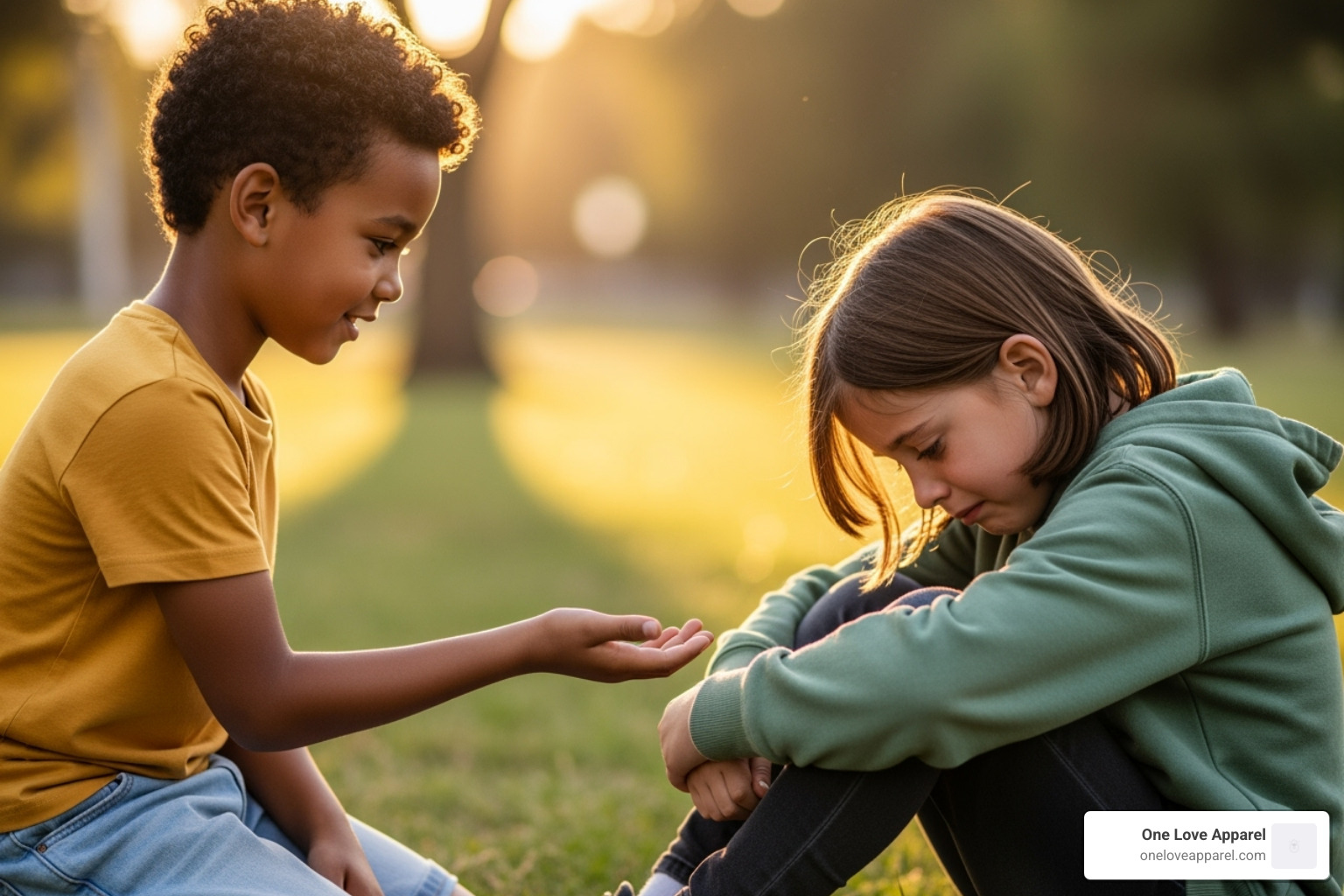
The bystander effect is real - when lots of people witness something wrong, everyone assumes someone else will step in. But here's the beautiful thing about stories: they show children exactly how one person can make all the difference.
An upstander is someone who sees something wrong and chooses to act. It doesn't mean becoming a superhero or getting into fights. Sometimes it's as simple as sitting with someone who's eating lunch alone, or telling a trusted adult when someone needs help. Books give kids concrete examples of what courage looks like in everyday situations.
The Juice Box Bully by Bob Sornson and Maria Dismondy shows this perfectly. When Pete arrives at his new school and starts being mean to others, his classmates don't just ignore the problem. Instead, they teach him about "The Promise" - their commitment to keeping school safe and kind for everyone. The story demonstrates how speaking up together can actually help change a bully's behavior, creating a supportive community where everyone feels protected.
I Walk with Vanessa by Kerascoët tells an even simpler but incredibly powerful story without using any words at all. A girl witnesses another child being bullied on the way to school. The next day, she makes the choice to walk alongside the bullied child. Her simple act of solidarity inspires other kids to join them, creating a beautiful movement of support.
These stories show children that taking action doesn't have to be scary or complicated. Sometimes the most powerful response is just showing someone they're not alone. Whether it's inviting someone to play, walking with them, or getting help from a grown-up, every act of kindness ripples outward.
The books help kids understand that missing opportunities to do the right thing feels terrible later. But when they choose courage and kindness, they can feel proud of themselves and know they've made their community a little bit better.
Learn how you can help prevent bullying.
Starting the Conversation: A Guide for Parents and Educators
The real power of children's book bullying resources isn't just in the reading—it's in what happens afterward. These carefully chosen stories become springboards for the kind of meaningful conversations that can truly change how children steer their social world.
Creating a safe space for these discussions is essential. When children feel genuinely heard and supported, they're much more likely to open up about their own experiences or fears. This means putting away distractions, making eye contact, and letting them know that whatever they're feeling is valid and important.
The magic happens when we move beyond simple "Did you like it?" questions to ones that really make children think. Open-ended questions like "How did that character feel when everyone ignored them at lunch?" help kids develop empathy by stepping into someone else's shoes. When we ask "What could have been done differently?" we're teaching problem-solving skills that they can use in real situations.
Active listening means really paying attention—not just to their words, but to their emotions too. Sometimes a child's reaction to a story reveals something important about their own experiences. Maybe they get unusually quiet when reading about exclusion, or they have strong opinions about what the bystanders should have done.
One of the most valuable discussion prompts we can use is helping children understand the difference between teasing and bullying. Friendly teasing between friends who both think it's funny is very different from repeated, mean-spirited behavior designed to hurt someone. Books often show these distinctions clearly, making it easier for children to recognize them in their own lives.
Another crucial conversation involves tattling versus reporting. Children need to understand that telling an adult isn't about getting someone in trouble—it's about keeping everyone safe. When a character in a story decides to tell a teacher about ongoing bullying, we can discuss how that's different from reporting every small disagreement.
These conversations don't have to be formal or scheduled. Sometimes the best discussions happen naturally—while driving to school after reading a story together, or during bedtime when children feel safe and reflective. The goal is to help children feel empowered and prepared, knowing they have strategies and support when they need it.
Download the Eyes on Bullying Toolkit.
Frequently Asked Questions about Children's Books on Bullying
What are the different forms of bullying depicted in a children's book bullying collection?
Children's book bullying collections beautifully illustrate the full spectrum of hurtful behaviors that kids might encounter. These stories don't shy away from showing how verbal teasing and name-calling can wound a child's spirit, just like we see in Chrysanthemum where a little girl's beautiful name becomes the target of classmates' unkind remarks.
Many books tackle social exclusion, that painful experience of being left out or ignored. The Invisible Boy captures this perfectly, showing how a quiet child can feel completely unseen by his peers. Then there's relational aggression - those complex friendship dynamics explored in My Secret Bully where manipulation and emotional hurt become weapons, especially common in what people sometimes call "mean girl" scenarios.
While physical intimidation appears less frequently in picture books, some stories do address pushing, shoving, or taking someone's belongings. More relevant to today's kids is cyberbullying, which books like Patricia Polacco's Bully tackle head-on, showing how social media and digital platforms can become tools for harassment.
Spreading rumors and gossiping weaves through many of these stories as well, demonstrating how words can travel fast and damage a child's reputation or friendships. These books help children understand that bullying isn't just about physical harm - sometimes words and exclusion can hurt even more.
How do these books help a child who is being bullied?
When a child picks up a children's book bullying story, something magical happens - they see their own experiences reflected back at them. These books become gentle friends, validating feelings by showing characters who feel the same sadness, fear, anger, or loneliness that they might be experiencing.
The stories work like roadmaps, providing coping strategies through the characters' journeys. Kids watch how story heroes handle tough situations - whether by speaking up, finding trusted adults, or finding supportive friends. Books like The Bully: A Discussion and Activity Story offer practical approaches that children can actually use in their own lives.
Perhaps most importantly, these books build self-esteem by celebrating what makes each character special. Stand Tall, Molly Lou Melon reminds readers that their unique qualities are strengths, not weaknesses. The stories whisper to hurting children, "you are not alone" - showing them that others have walked this difficult path and found their way through.
Many stories also model how to ask for help, depicting characters who confide in parents, teachers, or other caring adults. This teaches children that reaching out for support shows courage, not weakness, and helps them understand the important difference between tattling and reporting for safety.
At what age should I introduce a children's book bullying theme?
The beautiful thing about fostering kindness is that it's never too early to start. Ages 3-5 are perfect for planting seeds of empathy through stories about friendship, sharing, and understanding feelings. These little ones don't need to hear the word "bullying" yet, but they can absolutely learn how their actions affect others and why kindness matters.
Once children reach ages 6-9 and start navigating bigger social circles at school, they're ready for books that directly address different types of bullying. This is when stories about bystanders becoming upstanders really resonate. Books like "A Kids Book About Bullying" are specifically crafted for this age group, helping them recognize what bullying looks like and what they can do about it.
Ages 9-12 can handle the deeper, more complex stories found in chapter books. These older kids are ready to explore cyberbullying, complicated friendship dynamics, and the emotional impact of sustained bullying. They can engage with the nuanced discussions that books like Wonder inspire.
The key is watching your child and following their lead. If they're asking questions about mean behavior or seem troubled by social situations, a well-chosen book can open the door to supportive conversations, regardless of their age. Trust your instincts - you know your child best.
Conclusion: Building a Kinder World, One Story at a Time
When we open a children's book bullying resource with a child, we're doing so much more than reading together. We're planting seeds of empathy that will grow into lifelong habits of kindness. We're showing them that their voice matters and that they have the power to make a difference in someone else's day.
Throughout this journey, we've finded how these carefully chosen stories address every type of bullying behavior. From the verbal teasing in Chrysanthemum to the cyberbullying challenges in Bully, these books don't shy away from difficult topics. Instead, they meet children where they are and guide them toward understanding.
The real magic happens in the conversations that follow. When a child asks, "Why was that character so mean?" or says, "I felt sad when nobody sat with him at lunch," we know the story has done its job. These books create safe spaces where children can explore complex emotions, practice problem-solving, and learn that being different isn't something to hide—it's something to celebrate.
We've seen how stories transform passive bystanders into brave upstanders. A child who reads I Walk with Vanessa might remember that simple act of walking alongside someone when they see a classmate sitting alone. The lessons from Stand Tall, Molly Lou Melon can give a child the confidence to accept what makes them unique, even when others don't understand.
At One Love Apparel, spreading positivity is at the heart of everything we do. We believe that building supportive communities starts with teaching children to see the good in themselves and others. These books are powerful tools in that mission, helping us raise a generation that chooses kindness over cruelty and inclusion over exclusion.
Every time we read these stories together, we're building a kinder world. One conversation at a time, one act of courage at a time, one child learning to stand up for what's right at a time.