

Running Beanies: Your Guide to Winter Warmth on the Run
Introduction: Why a Beanie is Your Best Winter Running Partner
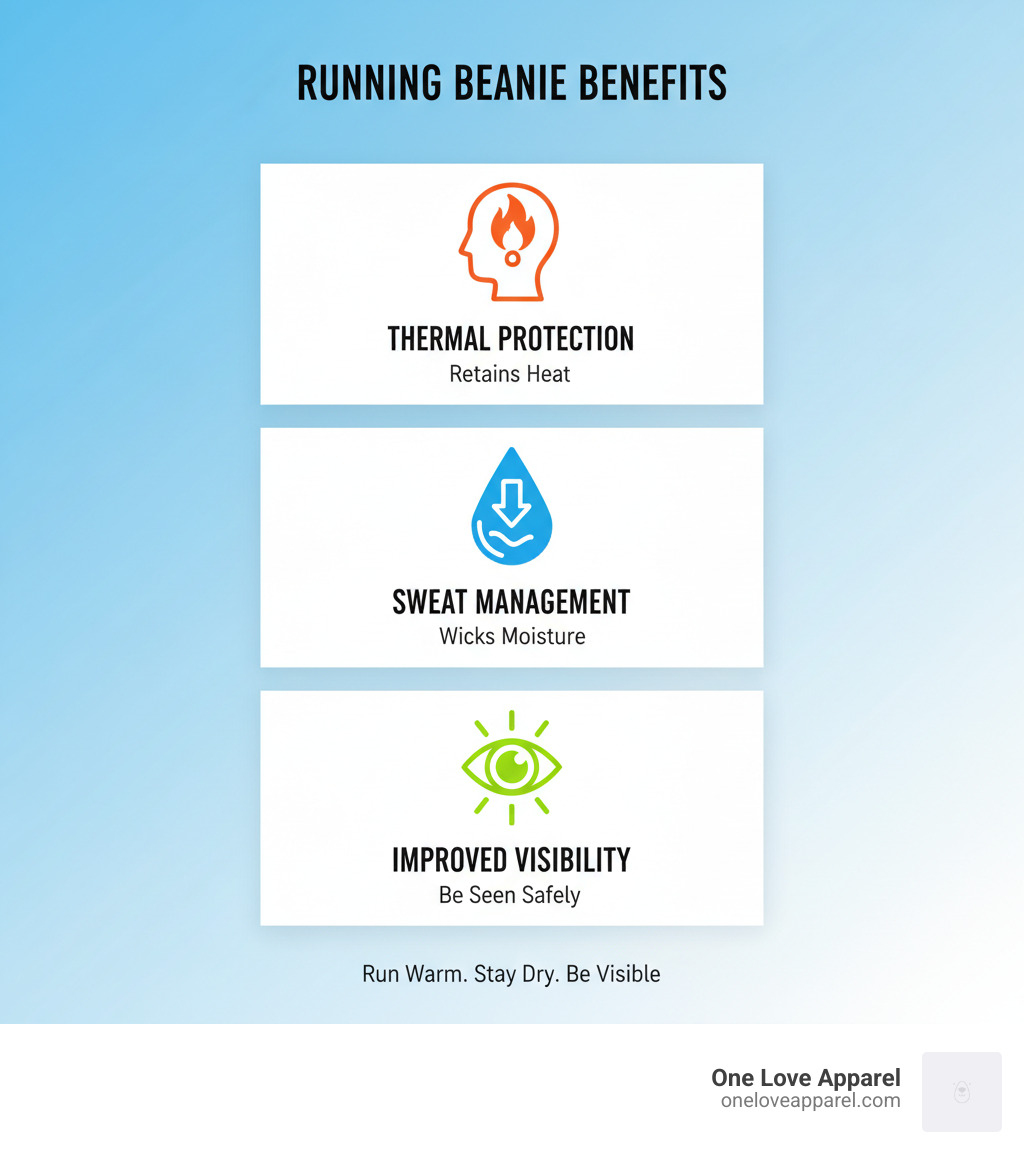
A mens running beanie is essential for cold-weather running because it prevents heat loss, manages sweat, and protects your ears from frostbite while maintaining breathability during intense activity. Here's what makes a great running beanie:
Key Features to Look For:
- Moisture-wicking materials (merino wool or synthetic blends)
- Breathable fabric to prevent overheating
- Snug, secure fit that stays in place
- Reflective elements for visibility in low light
- Full ear coverage for protection against wind chill
A proper running beanie does more than just keep you warm—it regulates temperature, wicks away sweat, and prevents frozen ears without causing you to overheat. Unlike regular winter hats, especially cotton ones that trap sweat and become cold when wet, performance beanies are designed for movement and moisture management, keeping you dry and comfortable.
The right gear makes winter training not just bearable, but enjoyable. I'm David Vail, and through my work in the fitness and apparel industries and now leading One Love Apparel, I've helped countless athletes find gear that performs when it matters most. Whether you're logging miles on icy trails or heading out for a casual jog, the perfect mens running beanie makes all the difference.
Key Features of the Best Mens Running Beanie
When winter hits, the right headwear can mean the difference between a miserable slog and an energizing run. A mens running beanie needs to work as hard as you do, managing sweat, regulating temperature, and staying put. Let's break down what separates a performance beanie from a regular cotton hat.
Material Matters: Merino Wool vs. Synthetics
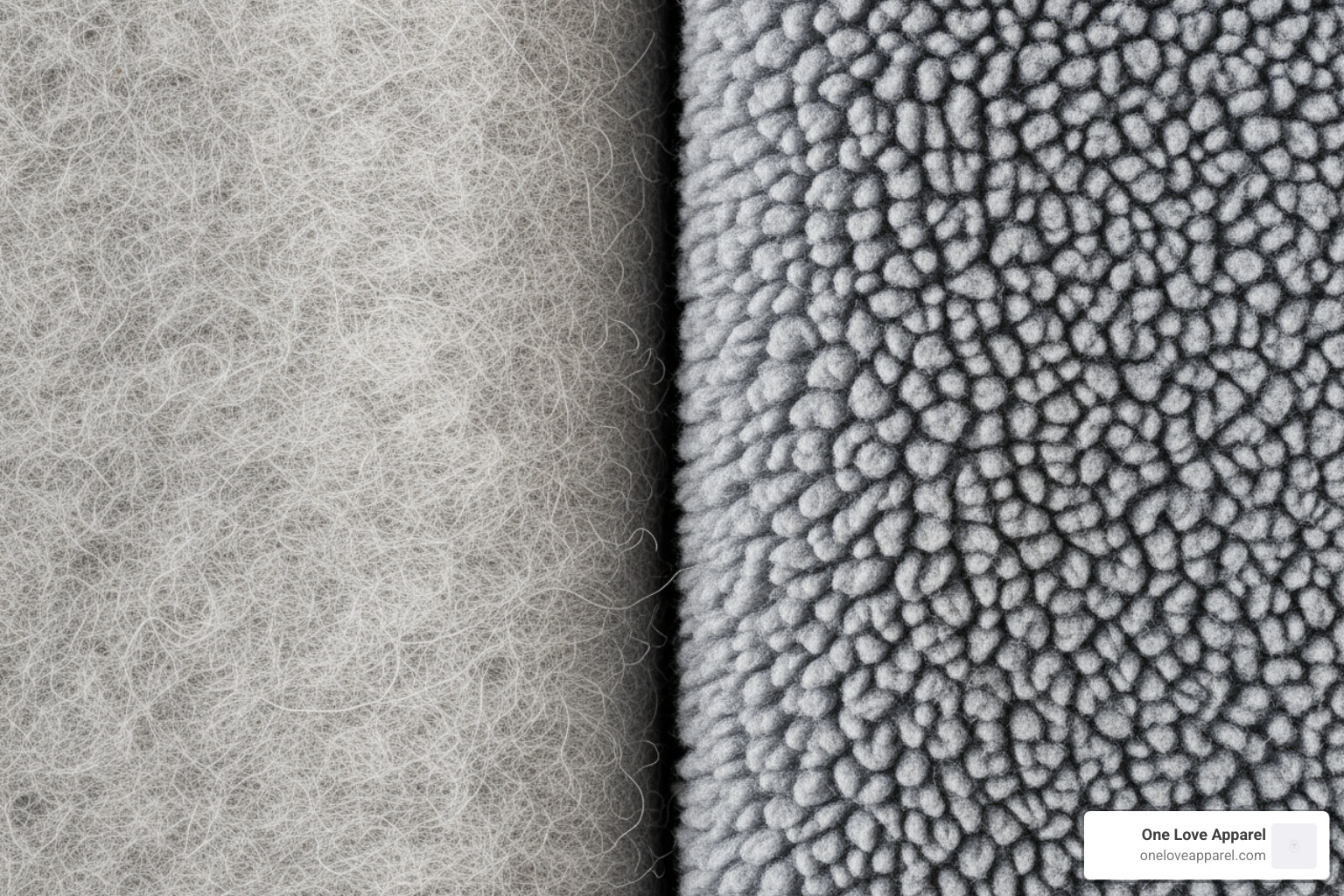
The fabric of your beanie determines its warmth, dryness, and comfort. Two materials dominate the running world: merino wool and synthetics.
Merino wool is a favorite in the running community for good reason. Its fine fibers are soft, not scratchy, and it has a near-magical ability to regulate temperature. It traps heat when you're cold and breathes to release excess heat as you warm up, preventing overheating.
Merino's moisture-wicking is also impressive. It moves sweat away from your skin to evaporate, and unlike cotton, it stays warm even when damp. A key bonus is its natural odor resistance, which means less washing and more running. Plus, many brands use responsibly sourced or recycled wool, making it a sustainable choice.
Synthetic materials like polyester and fleece are engineered for performance. Their standout feature is how quickly they dry, making them ideal for heavy sweaters or wet conditions. Synthetics wick moisture and evaporate it fast, perfect for high-intensity workouts.
They are also highly durable, holding up to repeated washing, and are typically lightweight and more budget-friendly than merino. Modern performance fleece offers excellent warmth without bulk and good breathability.
So, which is better? Both have their place. Merino is versatile and comfortable, while synthetics excel at moisture management and durability. Many runners own both, choosing based on the day's conditions.
Must-Have Performance Features
A great mens running beanie needs several key features to keep you comfortable and safe.
Moisture-wicking fabric is non-negotiable. It pulls sweat away from your scalp to keep you from getting chilled by damp fabric. This is the key difference between a performance beanie and a standard cotton hat.
Breathability is crucial. A running beanie must let excess heat escape to prevent you from feeling like you're wearing a furnace. It should balance insulation with ventilation.
Reflective elements are a vital safety feature for low-light conditions. Reflective stripes or logos help drivers and cyclists spot you at dawn, dusk, or after dark. For more ways to stay safe during winter runs, check out these pedestrian safety tips for low-light conditions.
A snug fit ensures your beanie stays put without sliding over your eyes. It should be secure but not so tight that it causes a headache. A good fit means no constant adjustments during your run.
Ear coverage is non-negotiable. Your ears are vulnerable to cold and wind chill, which can be painful and dangerous. A good beanie fully covers your ears to protect them from the elements.
A lightweight design is key. A heavy, bulky beanie is distracting. The best options provide warmth and protection while feeling nearly weightless.
When all these features come together, you get a mens running beanie that makes winter running genuinely enjoyable.
How to Choose the Right Fit and Style for Your Run
Finding the perfect mens running beanie isn't just about material—it's about the right fit and style for your needs. A beanie that's too loose will slip, while one that's too tight is uncomfortable. Let's explore how to get it right.

Finding the Perfect Fit for a Mens Running Beanie
The right fit is crucial: snug enough to stay put during intense runs, but comfortable enough that you forget it's there. A proper snug fit won't shift, slip, or cause headaches. It should feel secure without being restrictive. Performance beanies are designed with stretch to adapt to your head shape and stay in place.
Full ear coverage is non-negotiable to protect your ears from cold and wind chill. While many beanies are one-size-fits-most, check sizing guides if you have a larger or smaller head. Also, consider how your hair will fit underneath to ensure comfort.
Matching Your Beanie to Your Running Intensity
Your running style and the conditions dictate the ideal beanie.
For high-intensity runs like tempo workouts or races, choose a lightweight, breathable beanie. Thin synthetics or light merino wool work well, prioritizing sweat-wicking to prevent overheating.
For a casual jog or steady run, a beanie with balanced warmth is ideal, such as a mid-weight merino or synthetic option. It will provide consistent warmth as your body heats up.
In extreme cold or for lower-intensity activities, you'll need a beanie with thermal layers. Look for fleece-lined or thicker merino beanies that offer more warmth and wind resistance. Don't let the cold keep you indoors! Embracing the Winter Glow: 10 Strategies to Beat the Winter Blues can help you stay active.
From the Trail to the Town: The Versatility of a Running Beanie
A well-designed mens running beanie is incredibly versatile. Its performance features are beneficial for other activities like hiking, skiing, or snowshoeing. Many also have stylish designs suitable for casual wear, offering a "trail-to-tavern" appeal that blends your active and everyday life.
A thin running beanie can also serve as an excellent helmet liner for cycling or skiing, adding warmth without bulk. Sometimes, pulling on a soft, warm beanie is a simple act of comfort and self-care. For more on this, consider reading about The Importance of Practicing Self-Care Explained.
Choosing the right fit and style means you get a beanie that performs perfectly on your runs and looks great wherever your day takes you.
Top Running Beanie Styles to Consider
When you're standing in front of a wall of winter running gear, trying to pick the right mens running beanie can feel overwhelming. But here's the good news: most beanies fall into a few distinct categories based on their design and purpose. Understanding these styles will help you zero in on exactly what you need for your winter runs.
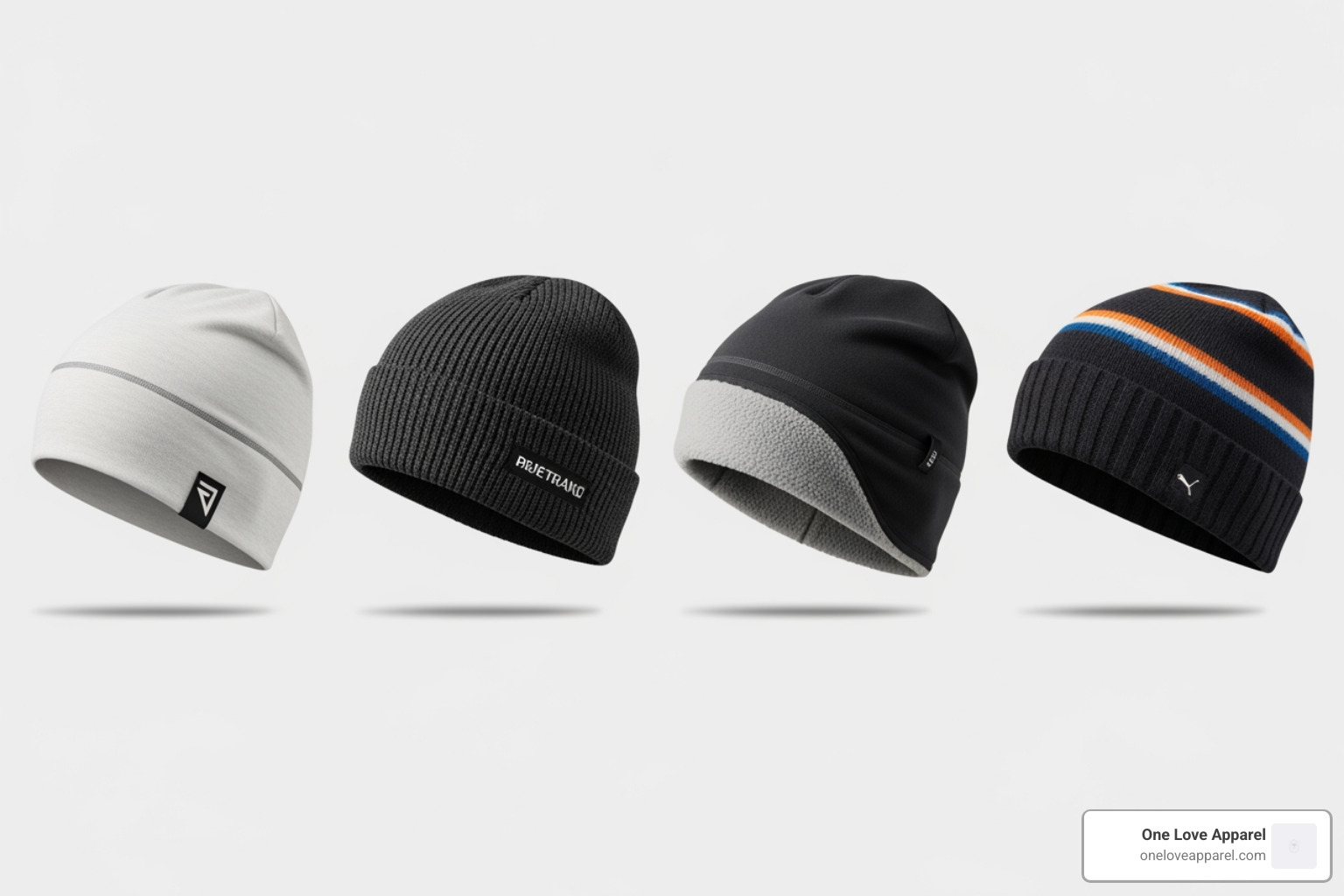
The Lightweight Performance Beanie
Think of this as the racing flat of beanies. The lightweight performance beanie is built for runners who move fast and generate serious heat, even in cold weather.
These beanies accept a minimalist design philosophy—often just a thin, single layer of fabric that sits close to your head. They're not trying to keep you toasty warm on a stationary winter day. Instead, they're designed to take the sharp edge off the cold wind while letting your body do its job of generating heat during high-intensity workouts.
The real magic happens with their maximum sweat-wicking capabilities. Made from polyester/spandex blends or similar synthetic materials, these beanies excel at one thing: pulling moisture away from your skin as fast as you can produce it. They're also incredibly quick-drying, which means if you get caught in light snow or freezing rain, you won't be dealing with a soggy, heavy mess on your head.
Their sleek profile makes them perfect for wearing under a helmet too, whether you're cycling in winter or hitting the slopes after your morning run.
The All-Rounder Merino Wool Beanie
If you could only own one running beanie, this would probably be it. The merino wool beanie is the Swiss Army knife of cold-weather headwear, offering versatile performance across different temperatures and running intensities.
What makes merino special is how it adapts to you. When you first step outside into the cold, it provides reliable warmth by trapping air in its natural fibers. But as your run heats up, merino's unique structure allows excess heat to escape, creating a temperature balance that synthetic fabrics struggle to match. It's like having a thermostat built into your beanie.
The natural odor-resistance is a game-changer for regular runners. You can wear the same merino beanie for multiple runs without it turning into a science experiment. This makes it perfect for those weeks when you're running every day or if you're traveling and don't want to pack multiple beanies.
And let's talk about comfort—merino's fine fibers create a soft feel against your skin that's completely itch-free. If you've ever avoided wool because of scratchiness, merino will change your mind. For those thinking about environmental impact, many merino options now use responsibly sourced or recycled wool, making them a more sustainable choice in your running wardrobe.
The Thermal Fleece-Lined Beanie
When the weather forecast shows single digits or below, and you still plan to run, the thermal fleece-lined beanie is what you reach for. This is serious cold-weather protection.
These beanies typically feature a dual-layer construction: a tougher outer layer (often wool or dense synthetic) paired with a soft fleece lining on the inside. This combination traps significantly more air than single-layer beanies, providing maximum warmth for frigid conditions. The outer layer also offers better wind resistance, which matters more than you might think—wind chill can make a 20-degree day feel like zero.
The fleece lining delivers ultimate comfort too, creating a cozy barrier between the harsh cold and your head. Yes, these beanies are slightly bulkier than their lightweight cousins, but when you're facing sub-zero temperatures or brutal wind, that extra bulk is exactly what you need. They're also excellent for lower-intensity activities like winter hiking or walking, where you're not generating as much body heat.
The Cuffed Classic Beanie
Sometimes you want performance gear that doesn't scream "I'm about to run a marathon." The cuffed classic beanie delivers modern technical features wrapped in a timeless, stylish look.
These beanies feature a folded cuff at the bottom, which serves both form and function. You can adjust how much of the cuff you fold up or pull down, giving you adjustable coverage over your ears and forehead. Need more warmth? Pull it down. Warming up mid-run? Roll it up a bit.
What really sets the cuffed style apart is its trail-to-tavern appeal. You can finish your morning run, grab coffee with friends, run errands, and head to lunch without ever feeling like you're wearing obvious workout gear. It bridges that gap between athletic performance and casual style beautifully. In a way, choosing a beanie that reflects your personality is like wearing your heart on your sleeve—it's a chance to express yourself while staying comfortable.
You'll find cuffed beanies in both merino wool blends for natural performance and synthetic knits for durability and quick-drying properties. The material variety means you can find one that matches both your performance needs and aesthetic preferences.
The truth is, many serious winter runners end up with a small collection of beanies—a lightweight one for hard workouts, a merino for everyday runs, and maybe a thermal option for those brutally cold days. Each style of mens running beanie has its place, and knowing what you're facing (both in weather and workout intensity) will guide you to the right choice every time.
Your Running Beanie Questions Answered
We've explored the ins and outs of choosing the perfect mens running beanie, but let's tackle some practical questions that come up time and again. These are the real-world concerns that matter when you're standing at your front door, beanie in hand, ready to face the cold.
How Do I Care For My Running Beanie?
Think of your running beanie as a trusted training partner—it deserves a little TLC to keep performing at its best. The good news? Caring for your beanie is refreshingly straightforward.
Start with the basics: Always check the care label first, but most performance beanies follow a simple rule: machine wash cold with a mild detergent. Cold water is your friend here—it protects the fabric's integrity and prevents shrinking or damage to those clever performance fibers that keep you comfortable on the run.
Keep it gentle. Use a gentle cycle and skip the harsh chemicals, bleach, or fabric softeners. These can break down the technical properties of your beanie, robbing it of its moisture-wicking magic and breathability. You want to preserve what makes it special, not strip it away.
The golden rule: air dry. This is where many people go wrong. High heat from a tumble dryer can wreak havoc on elastic fibers, cause merino wool to shrink, and reduce the effectiveness of synthetic fabrics. Instead, lay your beanie flat on a clean surface or hang it up to dry naturally. This simple step is the secret to maintaining shape and extending longevity. It also helps prevent pilling, especially on fleece materials.
A note on material-specific care: Merino wool beanies might benefit from extra gentleness—avoid excessive wringing or twisting. Some brands recommend hand washing, though a wool or delicate cycle usually works fine. Synthetics are generally more forgiving but still appreciate the cold wash and air dry treatment to protect their stretch and wicking properties.
With these simple habits, your mens running beanie will be ready to face countless winter miles alongside you.
What Is the Price for a Quality Mens Running Beanie?
Here's a question that matters to every runner: what should you actually expect to pay? The range is surprisingly wide, typically spanning from around $18 to $90, and understanding what drives those differences helps you make a smart choice.
Budget-friendly options in the $15 to $30 range offer solid value, especially if you're just starting out with winter running or face only occasional cold weather. You'll find excellent basic synthetic beanies here that deliver good moisture-wicking and warmth without breaking the bank. They're perfect for casual runners who want reliable performance without the premium price tag.
Mid-range beanies between $30 and $50 represent a sweet spot for many runners. This is where you'll find more advanced synthetic fabrics with improved breathability, refined fits, and often those crucial reflective elements for safety. Lighter merino wool blends also start appearing here. These beanies offer a compelling balance of warmth, comfort, and value for money that works for most regular runners.
Premium performance beanies at $50 to $90 and beyond might make you pause, but hear me out. These feature 100% high-quality merino wool, advanced technical fabrics with specialized treatments like windproof membranes, and designs optimized for extreme conditions. If you're a serious cold-weather runner who logs regular winter miles, this durability as an investment makes sense. A well-made premium beanie can serve you faithfully for several seasons, actually delivering excellent value over time.
The right price point depends on your needs and how often you'll be out there braving the elements. Consider it this way: the beanie that keeps you comfortable enough to maintain your winter training routine is worth every penny.
Frequently Asked Questions
Why wear a running-specific beanie over a regular winter hat?
A running-specific beanie is designed with moisture-wicking materials to manage sweat, offers superior breathability to prevent overheating, and has a secure fit that won't slip during activity, unlike many standard cotton or heavy wool hats. Regular winter hats, especially cotton ones, absorb sweat and stay wet, making you feel colder and uncomfortable. A performance beanie keeps you dry, warm, and focused on your stride rather than your headwear.
How do I stop my head from getting too hot while running?
Choose a beanie made from breathable, temperature-regulating materials like merino wool or lightweight synthetics. For high-intensity runs or milder days, opt for a thinner, more ventilated style. If you're consistently overheating, you might be wearing a beanie that's too thick for your activity level or the conditions. Your body generates significant heat during exercise—your beanie should protect against cold while letting excess warmth escape.
Can I wear a running beanie under a bike or ski helmet?
Absolutely! Many running beanies are designed to be thin and snug, making them perfect for layering under a helmet for extra warmth without adding uncomfortable bulk. Look for styles often called "skull caps" for the best fit. These lightweight, stretchy options provide an excellent thermal layer without interfering with helmet safety or comfort—ideal for cycling, skiing, or any activity where head protection meets cold weather.
Conclusion: Accept the Cold and Run On
Winter doesn't have to mean hanging up your running shoes until spring. With the right mens running beanie, those frosty mornings transform from dreaded obligations into something special—crisp air, quiet streets, and that unmistakable sense of accomplishment that comes from showing up when it's easier not to.
We've explored how a quality running beanie does so much more than keep you warm. It manages sweat through moisture-wicking materials like merino wool or advanced synthetics, prevents overheating with thoughtful breathability, and keeps you visible with reflective elements during those early morning or evening runs. Whether you're drawn to the natural temperature regulation of merino, the quick-drying efficiency of synthetics, or the cozy warmth of fleece-lined options, there's a perfect beanie out there for your winter training.
The right fit matters too. A snug, comfortable beanie that covers your ears without slipping or constricting makes all the difference between a distracted run and one where you forget you're even wearing it. Match your choice to your intensity—lightweight for hard efforts, thermal for bitter cold—and you'll find yourself actually looking forward to winter runs.
At One Love Apparel, we understand that the best gear is the gear you forget you're wearing. Just as our high-quality t-shirts are crafted from soft, lightweight combed and ring-spun cotton that feels natural against your skin, we believe your running beanie should offer that same effortless comfort. Our commitment to flattering, pre-shrunk apparel for both men and women reflects our belief that quality gear supports not just your workouts, but your entire lifestyle.
So here's your invitation: don't let the cold win. Pull on your favorite mens running beanie, lace up those shoes, and head out the door. There's something deeply satisfying about conquering the elements, about proving to yourself that you're tougher than the thermometer suggests. Every winter run builds not just fitness, but resilience and mental strength that carries into every aspect of your life. The challenges you overcome on frozen trails mirror the obstacles you'll face elsewhere—and each one makes you stronger. For more on this journey, read about From Underdog to Champion: Overcoming Adversity on the Road to Victory.
Winter running isn't about suffering through the cold—it's about embracing it, finding joy in the challenge, and finding that with the right preparation and mindset, there's no season that can keep you from your goals.
Ready to find more ways to improve your running experience and accept a lifestyle of comfort and well-being? Explore more tips and stories on our blog to stay motivated and keep pushing forward, no matter what the weather brings.