



More Than Just Bullying: A Comprehensive List of Related Terms
Why Understanding Bullying Terminology Matters
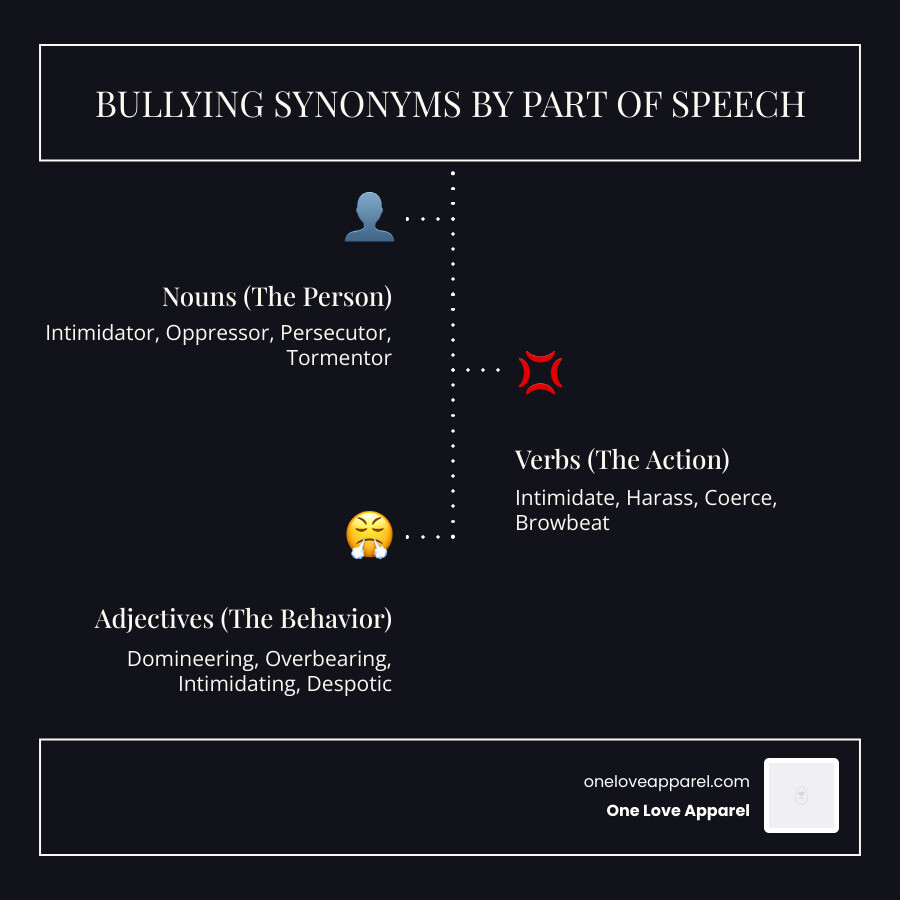
When you're looking for a bullying synonym, you're seeking more than just alternative words - you're trying to understand and describe harmful behavior with precision. Here are the most common synonyms for bullying across different parts of speech:
As a noun (the person):
- Intimidator
- Oppressor
- Persecutor
- Tormentor
As a verb (the action):
- Intimidate
- Harass
- Coerce
- Browbeat
As an adjective (the behavior):
- Domineering
- Overbearing
- Intimidating
- Despotic
The word "bully" has traveled a surprising journey through history. Originally meaning "sweetheart" in the 1500s, it evolved to mean "fine fellow" before taking on its current negative meaning of someone who harasses those with less power. This evolution reflects our growing understanding of power dynamics and harmful behavior.
Whether you're a student writing an essay, a parent discussing difficult situations, or someone trying to articulate your experiences, having the right words matters. The right bullying synonym can help you express exactly what you mean - and sometimes that precision makes all the difference in getting the help or understanding you need.
I'm David Vail, and through my work in business development and as owner of One Love Apparel, I've seen how the right language can build understanding and create positive change. Finding the perfect bullying synonym isn't just about vocabulary - it's about giving people the tools to name harmful behavior and work toward something better.
Understanding "Bully": Definitions Across Parts of Speech
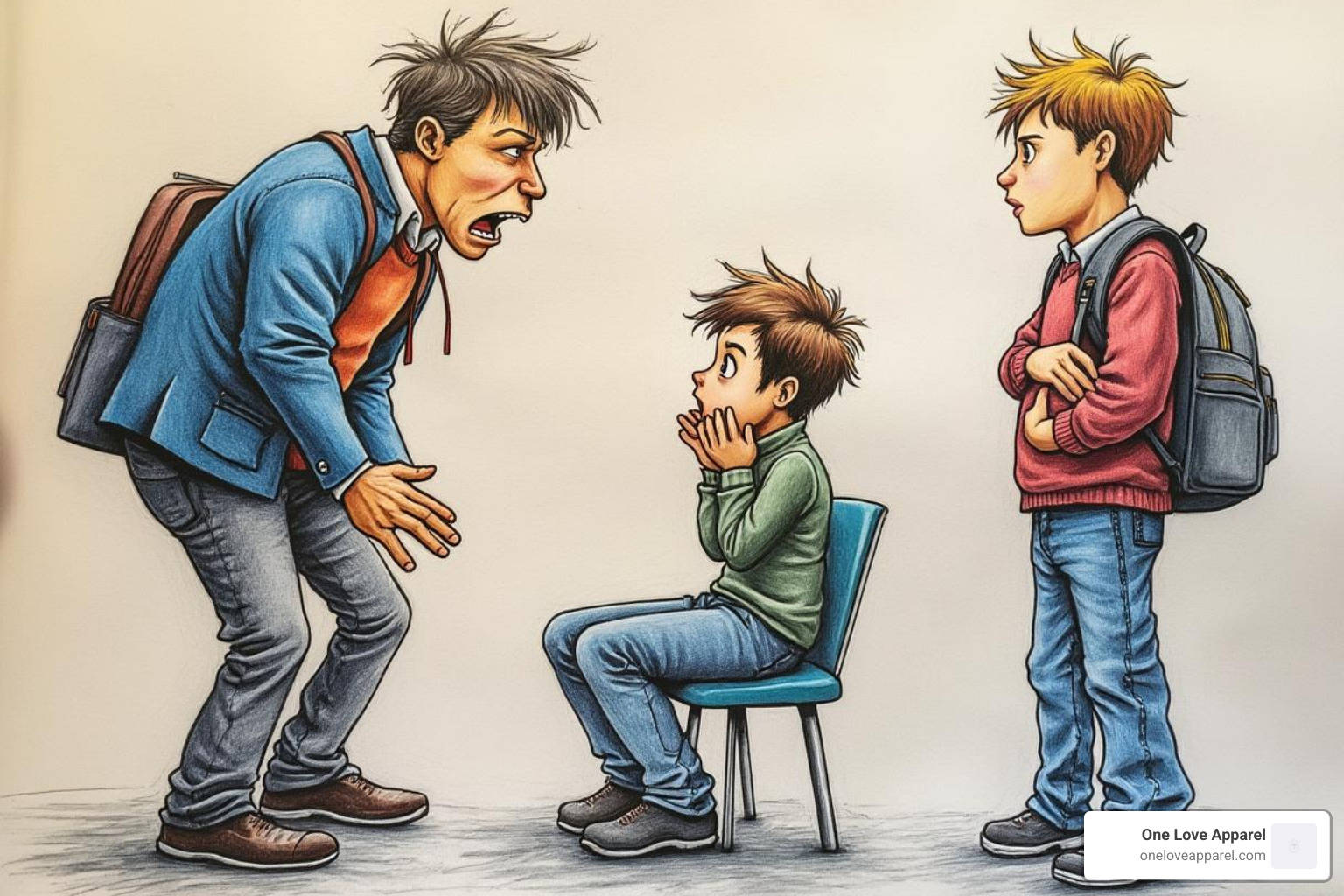
Here's something interesting about the word "bully" - it's like a shape-shifter in our language. It can be a noun, a verb, or an adjective, and each form tells us something different about harmful behavior. When you're searching for the perfect bullying synonym, understanding these different roles helps you pick exactly the right word for your situation.
Think of it this way: bullying always involves three key elements. There's a power imbalance (one person has more strength, popularity, or authority), there's intent to harm (it's not an accident), and there's repetitive action (it happens over and over). These elements show up no matter which form of the word we use.
The word "bully" has quite a journey behind it too. Back in the 1500s, calling someone your "bully" was actually sweet - it meant "sweetheart" or "darling." Then it shifted to mean "fine fellow" before landing on today's meaning of someone who hurts others. It's amazing how language evolves, isn't it?
The Noun: A Person Who Intimidates
When "bully" works as a noun, we're talking about the actual person doing the harm. This is someone who uses their power - whether it's physical strength, social status, or workplace authority - to make others feel small and afraid.
Picture the manager who was fired for creating a hostile work environment, or the student who makes the hallways feel unsafe for classmates. These are intimidators, persecutors, oppressors, and tormentors - all powerful synonyms that capture the essence of someone who systematically targets others.
What makes someone a bully isn't just one mean moment. It's the pattern of using whatever advantage they have to control and frighten people who can't easily fight back.
The Verb: The Act of Intimidation
As a verb, "bully" describes the actual harmful actions. When a teacher explains "why it's wrong to bully classmates," they're talking about the specific behaviors - the pushing, name-calling, excluding, or threatening that causes real damage.
To intimidate, browbeat, harass, and coerce are all actions that fall under this umbrella. These verbs capture the active process of making someone feel powerless through fear or aggression.
The verb form shows us bullying in motion. It's not just who someone is, but what they actively choose to do to hurt others.
The Adjective: A Manner of Behavior
Though less common today, "bully" can also describe how someone behaves. We might hear about a "bullying manager" or a company with a "bullying reputation" in their industry.
This adjective form captures a domineering, overbearing, intimidating, or despotic way of operating. It's not just individual actions, but an overall approach that makes people feel threatened and uncomfortable.
Interestingly, the adjective form still sometimes carries its old positive meaning. You might hear someone say "That's a bully idea!" meaning it's excellent - though this usage is pretty rare these days.
The surprising origin of the word "bully"
The Ultimate List of Bullying Synonym Options

Finding the perfect bullying synonym is like finding that perfectly fitting shirt - when it's right, you just know it. The context matters enormously. A workplace situation might call for different language than a school scenario, and verbal harassment needs different words than physical intimidation.
Word choice carries weight. When someone says they were "harassed," it feels different than saying they were "terrorized." The right synonym helps people understand exactly what happened and how serious the situation really is.
Finding a Bullying Synonym: Nouns for an Intimidator
When we're talking about the person who does the bullying, we have rich options that capture different aspects of their harmful behavior. An intimidator is perhaps the most straightforward bullying synonym - someone who deliberately makes others feel afraid or inferior through threats or aggressive behavior.
A persecutor takes things further, suggesting someone who systematically harasses others, often targeting specific traits or beliefs. Think of someone who won't let up, who makes harassment feel relentless and personal.
An oppressor uses their power to keep others down or control them harshly. This word often carries weight when talking about systemic abuse or when someone misuses institutional power. Meanwhile, a tormentor focuses on the psychological damage - someone who seems to enjoy causing emotional pain or distress.
Sometimes the behavior gets more physical or chaotic. A ruffian suggests someone brutal or violent, often part of a group. A rowdy person creates intimidating situations through disruptive, boisterous behavior that makes others uncomfortable.
Then there's the antagonizer - someone who deliberately stirs up conflict and hostility. They thrive on making others angry or upset. A coercer removes choice from situations entirely, using force or threats to make people comply with their demands.
Finding a Bullying Synonym: Verbs for the Act of Intimidation
The action words we choose can highlight exactly how someone is being harmful. To intimidate means inducing fear or making someone feel inferior - it's direct and clear about the intent to frighten.
Browbeating involves wearing someone down through arrogant or contemptuous treatment. It's often verbal, using words and attitude to make someone feel small. To harass suggests repeated, unwanted actions that cause ongoing distress.
Coercing is about forcing compliance through threats or pressure. When someone terrorizes another person, they're creating extreme fear. To domineer means asserting control in an arrogant, overbearing way.
Bulldozing captures the idea of pushing through resistance without regard for others' feelings or rights. To cow someone means breaking their spirit or courage until they're afraid to resist. Menacing involves threatening in a hostile way, while tyrannizing suggests cruel, oppressive treatment over time.
Adjectives to Describe Bullying Behavior
Sometimes we need words that capture the quality or manner of the bullying itself. Domineering behavior involves asserting control in an arrogant way. Imperious suggests commanding or overbearing behavior that comes from a sense of superiority.
Despotic behavior is harsh and oppressive, like a tyrant. Hectoring specifically refers to using words to intimidate and bully. Blustering involves loud, aggressive talking that's meant to intimidate, while swaggering describes confident, arrogant behavior that can be part of an intimidating presence.
Overbearing captures someone who is unpleasantly forceful and domineering in their approach to others.
Understanding imperious behavior
The beauty of having so many options is that you can choose the word that best fits your specific situation. Whether you're writing a report, talking to a counselor, or just trying to understand your own experience, the right bullying synonym can help you communicate exactly what you mean.
Beyond Direct Synonyms: Related Words and Concepts
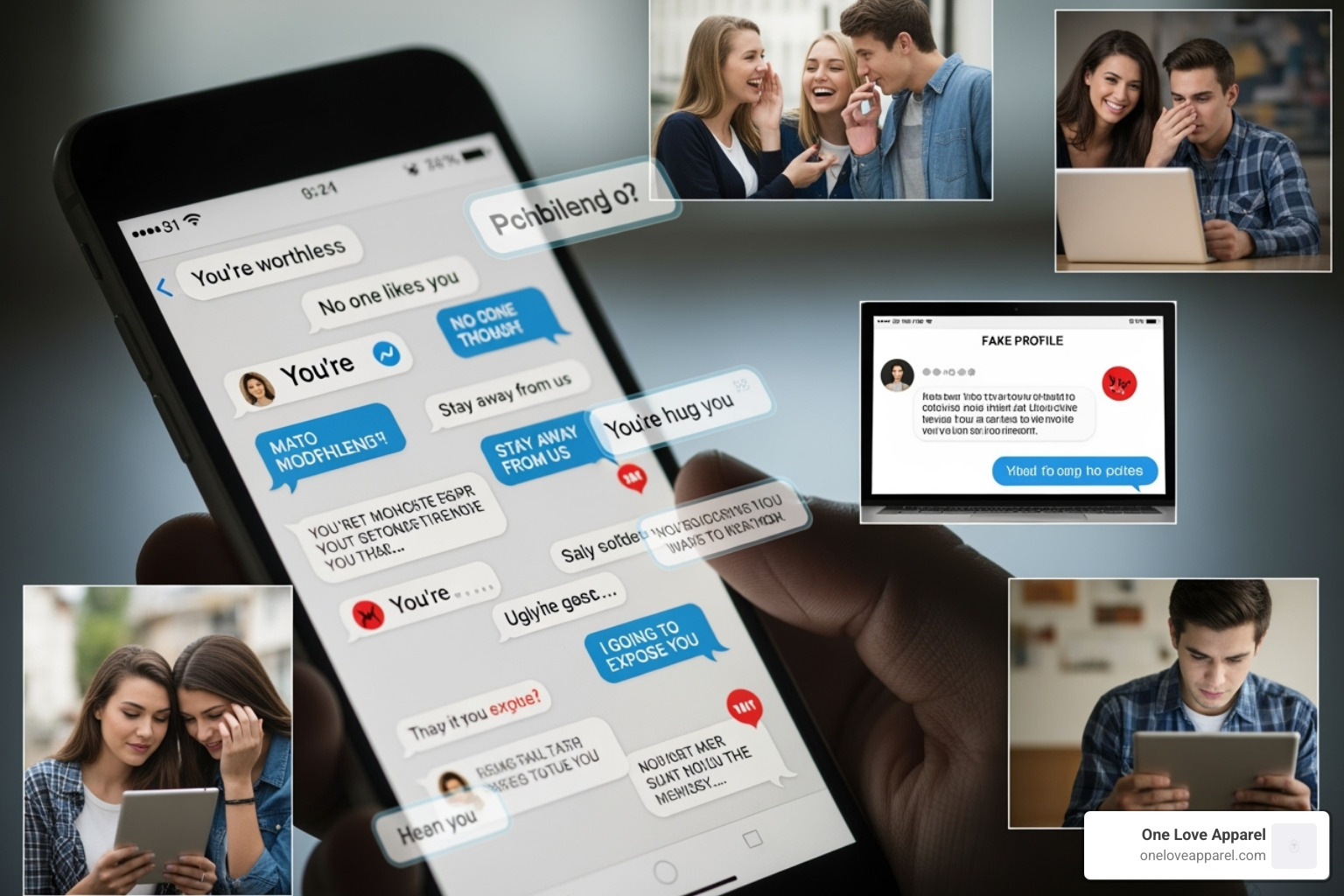
Sometimes you need more than just a direct bullying synonym to capture what's really happening. The world of intimidation and harassment has grown beyond traditional playground bullying. Today's harmful behaviors take many forms, from digital harassment to workplace mobbing.
Understanding these related concepts helps us recognize harmful patterns wherever they appear. Whether it's a coworker who makes others uncomfortable or an online troll spreading negativity, these behaviors all share similar power imbalances and intent to harm.
Modern Forms of Intimidation
The internet has given bullies new tools, and unfortunately, they've learned to use them well. Cyberbullying has become one of the most serious issues facing young people today. Unlike traditional bullying that ended when you left school, cyberbullying follows victims home through their phones and computers.
Research shows that cyberbullying victims experience higher levels of depression than those facing other forms of bullying. The anonymity of online spaces makes people bolder in their cruelty, while the permanent nature of digital content means hurtful messages can resurface again and again.
Social media harassment takes many forms beyond direct messages. It might involve spreading rumors, sharing embarrassing photos, or organizing group attacks against someone's posts. A 2019 study found a clear relationship between social media use by girls and increased exposure to bullying.
Online trolling might seem less serious than other forms, but it can be deeply distressing. Trolls post inflammatory or offensive messages just to upset others, often hiding behind fake profiles. Their goal isn't necessarily to target one person - they just want to cause chaos and pain.
Doxing represents one of the most frightening developments in online harassment. This involves publicly sharing someone's private information like their home address or workplace, often with the intent to bring harassment into their real-world life.
Systemic and Group Bullying
Some of the most damaging bullying happens when groups or entire systems enable harmful behavior. Workplace mobbing occurs when multiple employees gang up on a target, creating an environment of psychological abuse and social exclusion. This collective harassment often forces victims to leave their jobs entirely.
Studies show that workplace bullying is particularly common in information technology fields, leading to high sickness rates, low morale, and poor productivity. The research reveals troubling patterns - women, trainees, recently qualified professionals, and ethnic minority or LGBTQ+ employees face disproportionate targeting.
Institutional bullying happens when organizations themselves create intimidating environments through their policies or culture. Sometimes called "legal bullying," this can involve using lawsuits or legal threats to silence critics or control employees.
Hazing rituals in fraternities, sports teams, or military settings often involve harassment disguised as tradition. These initiation rites use humiliation and abuse to demonstrate power and demand submission from newcomers.
All these behaviors share common power dynamics - someone with more influence, resources, or social standing using that advantage to harm someone with less power. Recognizing these patterns helps us identify bullying even when it doesn't look like the stereotypical schoolyard version.
The silent epidemic of workplace bullying
The Opposite of a Bully: Antonyms and Positive Actions

Sometimes the best way to understand a bullying synonym is to look at its complete opposite. Just as we need words to describe harmful behavior, we need equally powerful words to describe the people and actions that create safety, support, and belonging.
When I think about the values we champion at One Love Apparel, it's these positive opposites that come to mind. They represent the kind of community where everyone feels comfortable - like wearing your favorite soft, well-fitted t-shirt on a perfect day.
Words for a Protector or Ally
The opposite of someone who intimidates is someone who uplifts. While a bully uses power to harm, these individuals use whatever influence they have to help others feel safe and valued.
A friend offers genuine connection and mutual support. True friends don't just stand by when someone they care about is being hurt - they step up. An ally takes this even further, actively supporting others even when they're not personally affected by the situation. Research shows that "establishing a 'friendship group' makes bystanders more likely to speak out" against bullying.
A protector shields others from harm, while a defender actively fights back against unfair treatment. These people see injustice and refuse to let it continue. A champion goes beyond defense - they actively promote and celebrate others, lifting them up rather than tearing them down. Finally, a supporter provides the steady encouragement that helps people build resilience and confidence.
Actions That Counteract Bullying
Words matter, but actions change everything. The verbs that counteract bullying are simple but powerful.
To help someone means making their burden lighter, whether that's offering practical assistance or just listening. When we support others, we're sharing their weight - emotionally and practically. "Parents and teachers should talk to bullies about their behavior to provide support," because even those who bully often need guidance to change.
To encourage means giving someone the confidence to keep going, especially when things get tough. When we defend or protect others, we're using our voice and presence to create safety. Sometimes the most powerful action is simply to befriend someone who's being excluded - genuine friendship can break through isolation.
Perhaps most importantly, we can include others. Since social exclusion is itself a form of bullying, making space for everyone at the table directly counters harmful behavior.
The truth is, bystanders hold incredible power. Their silence can allow a "culture of bullying" to flourish, but their intervention can stop it in its tracks. When we build bystander confidence and encourage people to speak up, we create communities where kindness isn't just hoped for - it's actively practiced every day.
Frequently Asked Questions about Bullying and Its Terms
I get asked about bullying terminology quite often, and honestly, some of the most important distinctions can be pretty confusing. Let me clear up the most common questions I hear - understanding these differences can really help when you're trying to figure out what's happening in a difficult situation.
What is the difference between bullying and teasing?
This question comes up all the time, and it's such an important one. The line between teasing and bullying isn't always obvious, but there are three key differences that make all the difference in the world.
First, there's intent to harm. Healthy teasing is playful - both people are having fun, and if someone gets uncomfortable, it stops right away. Bullying has hostile intent behind it. The person doing it wants to cause distress or gain control over someone else.
Second, look for a power imbalance. Real teasing happens between equals - friends joking around, siblings being silly with each other. Bullying always involves someone with more power (physical, social, or emotional) targeting someone they see as weaker. As research shows us, "Bullying is distinguished from conflict by the prerequisite perception of an imbalance of power."
Third, there's repetition versus playful banter. Teasing might happen once or twice, and it's usually part of mutual fun. Bullying is "systematic and repeated abuse by someone with more power." It doesn't stop when the target is clearly upset - in fact, that reaction often encourages the bully to continue.
Think of it this way: if both people are laughing and having a good time, and it stops when someone says "okay, enough," that's probably teasing. If one person is consistently targeting another, especially someone with less power, and it keeps happening even when the target is obviously distressed - that's bullying.
What are the main types of bullying?
When people ask me about a bullying synonym or want to understand different forms of harmful behavior, I always explain that bullying shows up in four main ways. These often overlap, and understanding them helps you recognize what's really happening.
Physical bullying is probably what most people think of first - hitting, kicking, pushing, or damaging someone's belongings. It's the most visible form, but it's definitely not the only one that matters.
Verbal bullying uses words as weapons. This includes name-calling, threats, cruel jokes, or spreading rumors. Just because there are no physical bruises doesn't mean the harm isn't real.
Social or relational bullying targets someone's relationships and reputation. This might mean excluding someone from a group, manipulating friendships, or publicly humiliating someone. It's often subtle but can be incredibly damaging.
Cyberbullying has become huge in our digital world. This includes mean texts, embarrassing photos shared online, or creating fake profiles to harass someone. What makes cyberbullying particularly harmful is that it can follow someone home and reach a much wider audience than traditional bullying.
All of these forms - whether they're psychological, emotional, verbal, physical, or cyber - fall under that bullying umbrella because they share those same core elements: power imbalance, harmful intent, and repetition over time.
What is the historical meaning of the word "bully"?
Here's something that always surprises people - the word "bully" started out as something sweet! Back in the 16th century, calling someone your "bully" meant they were your sweetheart or darling. It was actually a term of affection.
The word then evolved to mean "fine fellow" or "blustering gallant" in the 1600s. Even Theodore Roosevelt used "bully for him" as an exclamation - not exactly positive, but not the harsh meaning we know today either.
It wasn't until the late 1600s and into the 1700s that "bully" took on its current negative meaning of someone who harasses weaker people. This evolution of meaning really shows how language changes to reflect what society thinks is important.
The journey from those 16th-century origins of affection to our modern understanding of aggression tells us something interesting about how we've grown to recognize and name harmful behavior. Sometimes having the right words - the right bullying synonym - is the first step toward addressing a problem.
Conclusion
Words have incredible power. When we explore the many faces of "bully" and search for the perfect bullying synonym, we're doing more than just expanding our vocabulary. We're learning to name harmful behaviors with precision, and that precision can change everything.
Think about it this way - just like choosing the right t-shirt makes you feel confident and comfortable, choosing the right words helps you express exactly what you're experiencing. When someone can finally say "I'm being intimidated" instead of struggling to explain confusing feelings, they've taken the first step toward getting help.
Language gives us the tools to identify when someone is being an oppressor versus just having a bad day. It helps us recognize when behavior crosses the line from teasing into terrorizing. These distinctions matter because they guide our responses and help others understand the seriousness of the situation.
At One Love Apparel, we see the connection between comfort and confidence every day. Our soft cotton t-shirts are designed to help you feel your best, and we believe communities should work the same way. When we understand the language of bullying, we can better foster kindness and create spaces where everyone feels supported.
The journey from "sweetheart" to "intimidator" that the word "bully" has taken shows us how language evolves. But we can also choose to evolve it toward something better. When we use words like ally, defender, and champion to describe ourselves and others, we're building a different kind of world.
Standing together against bullying starts with understanding it. Whether you're looking for the right bullying synonym to describe a situation or seeking ways to support someone who's struggling, precise language leads to better solutions. Every time we choose words of support over silence, we're making our communities a little bit stronger.
Learn more about how to prevent bullying and spread positivity