


Why Your Old Cotton Tee is Killing Your Gains
Why Your Workout Clothes Might Be Holding You Back

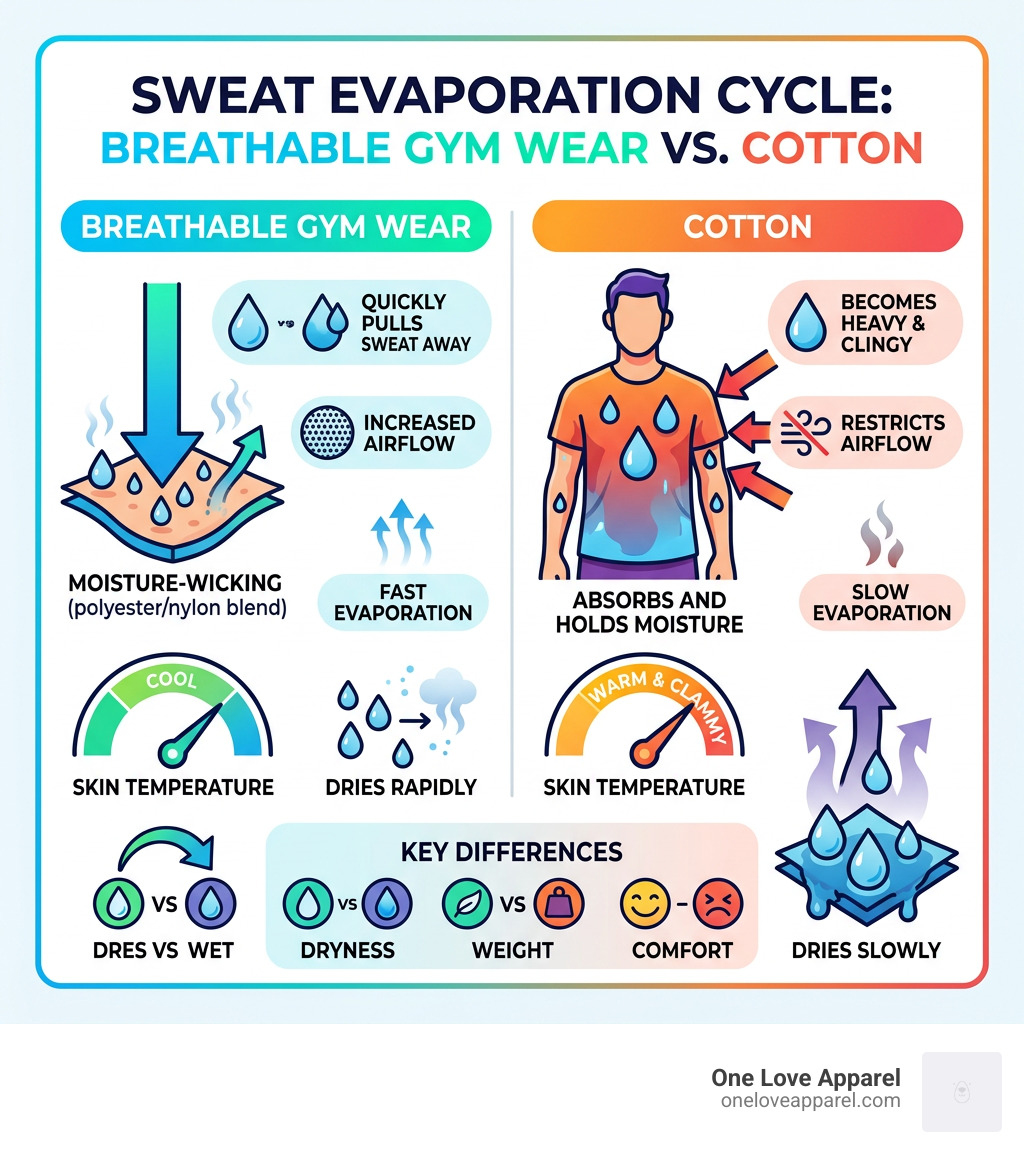
Breathable gym wear is activewear made from fabrics that pull sweat away from your skin, allow air to circulate, and help your body stay cool during exercise. Here's what you need to know at a glance:
- Moisture-wicking fabrics (like polyester and nylon blends) pull sweat away from skin so it evaporates faster
- Breathable construction includes mesh panels, perforations, and loose weaves that let air flow through
- Key benefits: lower skin temperature, less chafing, better focus, and faster recovery
- Best for: running, weightlifting, yoga, and any high-intensity activity where you sweat
You've probably grabbed an old cotton t-shirt before a workout without thinking twice. It feels soft. It's familiar. But the moment you break a sweat, that shirt gets heavy, clingy, and cold — and it stays that way for the rest of your session.
That's not just uncomfortable. It's actually working against you.
Almost all regular sportswear is made from synthetic materials, but even many casual cotton tees people wear to the gym weren't designed for movement or heat management at all. The difference between the right fabric and the wrong one can affect everything from your core temperature to how long you can push before hitting a wall.
I'm David Vail, owner of One Love Apparel and a longtime professional in the fitness apparel industry, and I've spent years helping people find breathable gym wear that performs as hard as they do — without sacrificing comfort or style. Let's break down exactly why your fabric choice matters more than you think.
Breathable gym wear basics:
The Science of Breathable Gym Wear and Performance
When we talk about breathable gym wear, we aren't just talking about clothes that feel "airy." There is a significant amount of textile engineering involved in keeping you dry. At a microscopic level, high-performance fabrics are designed to manage moisture through a process called capillary action.
Standard cotton fibers are hydrophilic, meaning they love water. They soak up sweat and hold onto it like a sponge. In contrast, technical breathable gym wear uses hydrophobic (water-fearing) fibers. These fibers don't absorb the moisture; instead, they funnel it through the weave to the outer surface of the garment. Once the sweat reaches the outside, it meets the air and evaporates.
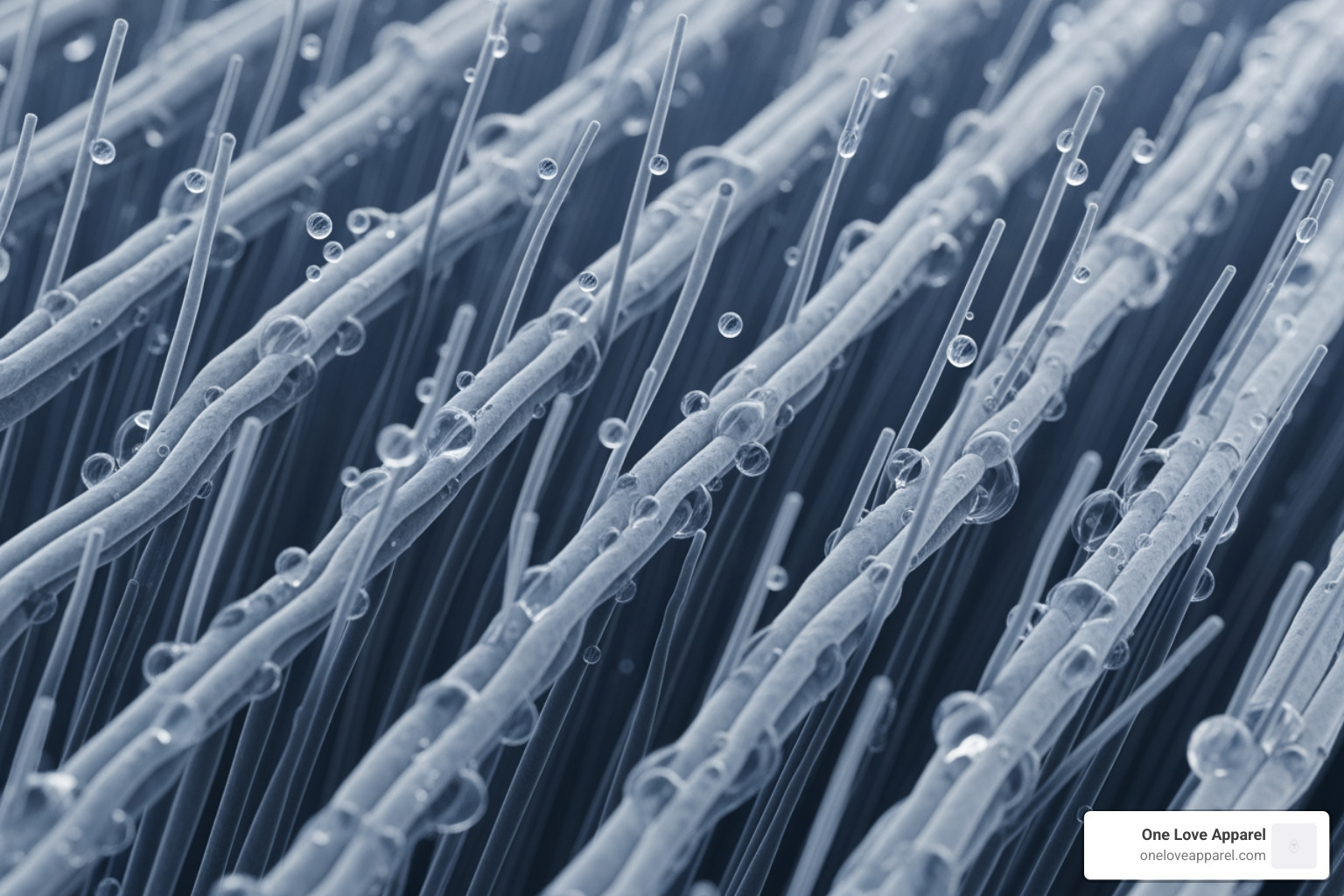
This process is vital for thermoregulation. Your body cools itself through the evaporation of sweat. If your shirt is a soggy cotton mess, that sweat can't evaporate, and your body’s natural "air conditioning" system breaks down. This leads to heat storage, which spikes your heart rate and drains your energy.
How Cooling Technologies Enhance Breathability
Modern advancements have taken basic moisture-wicking to the next level. You might see terms like "moisture-wicking" or "advanced cooling" on labels. These aren't just marketing buzzwords; they represent multi-stage cooling processes.
Some of these technologies are sweat-activated. When the fabric becomes damp, the specialized fibers actually react to lower the fabric's temperature, providing a physical cooling sensation against your skin. Furthermore, many high-end breathable pieces include:
- Multi-stage moisture dispersal: Spreading sweat across a wider surface area so it dries in seconds rather than minutes.
- UPF 50+ Protection: Blocking up to 98% of the sun's harmful rays, which is essential for outdoor runners and athletes.
- 4-way stretch: Ensuring the garment moves in every direction with you, preventing the fabric from "binding" during deep squats or overhead presses.
Why Airflow Matters for Muscle Recovery
It might seem strange to link your shirt to your recovery, but the connection is real. High core temperatures during a workout lead to faster fatigue and increased perceived exertion. When you wear breathable gym wear with strategic ventilation zones—like mesh under the arms or perforated back panels—you allow for consistent heat dissipation.
By keeping your heart rate more stable through better cooling, you can maintain higher intensity for longer periods. This leads to better training adaptations (the "gains" we all want) and less post-workout exhaustion. Proper airflow also prevents skin irritation and "racer's rash," allowing you to get back to the gym the next day without discomfort.
| Feature | Standard Cotton Tee | Breathable Gym Wear |
|---|---|---|
| Moisture Management | Absorbs and retains | Wicks and evaporates |
| Weight when wet | Heavy and sagging | Remains lightweight |
| Drying Speed | Very slow | Rapid |
| Airflow | Limited | High (via mesh/perforation) |
| Odor Control | Holds bacteria | Often anti-microbial |
Choosing the Right Fabrics for Your Workout
Not all breathable gym wear is created equal. The "best" fabric often depends on the intensity of your movement and your personal preference for skin feel.
Synthetic vs. Natural Breathable Gym Wear
The debate between synthetic and natural fibers is a hot topic in the fitness world.
Synthetics (Polyester, Nylon, Elastane): These are the workhorses of the gym. They are incredibly durable, hold their shape after hundreds of washes, and offer the best moisture-wicking performance. Most modern gym clothes use a blend of polyester for breathability and elastane (Spandex) for that essential 4-way stretch.
Natural Fibers (Merino Wool, Bamboo, Tencel): While old-school cotton is a "no-go" for heavy sweating, other natural fibers are excellent. Merino wool is a superstar because it is naturally breathable and incredibly odor-resistant. However, natural fibers can sometimes be less durable than their synthetic counterparts over years of heavy lifting.
At One Love Apparel, we believe in the power of high-quality materials. While we love the performance of technical gear, we also know that for daily comfort and light activity, nothing beats the feel of a soft cotton sweatshirt or a unisex jersey short sleeve tee. The key is choosing the right tool for the job.
Sustainable and Eco-Friendly Material Options
The industry is moving toward a "Natural Progression" where we reduce our reliance on virgin plastics. Many brands now offer breathable gym wear made from recycled polyester—often sourced from recycled water bottles.
We are also seeing a rise in "plastic-free" sportswear initiatives, utilizing wood-pulp-based fibers like Tencel or Lyocell. These materials offer a silky feel, incredible breathability, and a much lower environmental footprint. If you are looking for a mens everyday hoodie that balances performance with a smaller carbon footprint, keep an eye out for recycled content labels.
Activity-Specific Gear: From the Squat Rack to the Yoga Mat
The way you move dictates the type of breathability you need. A marathon runner has different requirements than a powerlifter.
- Weightlifting: You need durability and stretch. Look for reinforced seams and fabrics that won't sheer (become see-through) during squats. A mens athletic sweatshirt is great for warming up the muscles, but once the heavy sets start, you'll want a perforated tee.
- Running: Weight is everything. Runners benefit from "ultralight" fabrics and split-back designs that maximize airflow. Features like lightweight, streamlined construction allow for zero distractions.
- Yoga: Here, the focus is on "second-skin" feel and moisture management that doesn't feel cold. Brushed fabrics provide softness, while high-rise cuts ensure everything stays in place during an inversion.
Essential Features of Breathable Gym Wear for Men and Women
When shopping, look for these specific design elements that separate high-quality gear from the rest:
- Flatlock Seams: These seams are sewn flat against the garment rather than tucked inside. This eliminates the "ridge" that causes chafing during repetitive movements.
- Contouring and Compression: For women, contoured seams can provide support and a flattering fit. For men, ergonomic gussets in shorts allow for a better range of motion without the fabric bunching up.
- Anti-Microbial Treatment: Sweat itself doesn't stink, but the bacteria that grow in it do. Many breathable garments are treated to prevent these odors from "locking" into the fibers.
- Seamless Technology: By knitting a garment in one piece, brands can eliminate seats entirely in high-friction areas, creating the ultimate comfort experience.
Maintenance and Care for High-Performance Apparel
You've invested in quality breathable gym wear, so don't ruin it in the laundry room! Technical fabrics require a bit more love than your old socks.
- Wash Cold: High heat can break down the elastane fibers that give your gear its stretch. Always use a cold cycle.
- Skip the Fabric Softener: This is the most important rule. Fabric softeners leave a waxy coating on the fibers. This "clogs" the pores of the fabric, effectively killing its ability to wick sweat.
- Tumble Dry Low (or Air Dry): Again, heat is the enemy. Air drying is best for longevity, but if you must use a dryer, keep it on the lowest setting.
- Remove Promptly: Don't let your sweaty clothes sit in the gym bag or the washer. Bacteria thrive in damp, dark environments. Remove them promptly to keep them smelling fresh.
For more tips on keeping your wardrobe in top shape, check out our guide on why lightweight sweatshirts are your new wardrobe essential.
Frequently Asked Questions about Breathable Gym Wear
How do I know if my gym clothes are truly breathable?
The easiest way is the "light test." Hold the fabric up to a light source. If you can see a consistent weave with tiny gaps or a mesh-like structure, air can pass through. Also, look for "moisture-wicking" or "quick-dry" on the tag. If you pour a small drop of water on the inside of the garment and it spreads out quickly rather than heading off, it's moisture-wicking.
Is breathable gear more expensive than regular cotton?
Generally, yes. Technical fabrics cost more to engineer and manufacture than basic cotton. However, the "value per wear" is often higher. High-quality breathable gym wear is designed to withstand the rigors of intense exercise and frequent washing without losing its shape or performance features. You can find affordable options starting around $25, while premium engineered pieces can go up to $100+.
How does breathable clothing compare to regular clothes during intense exercise?
There is no contest. In a "regular" shirt, you will likely feel 3-5 degrees warmer during a workout. You'll also be carrying extra water weight in the form of absorbed sweat. Breathable gear keeps you lighter, cooler, and prevents the dreaded "heavy shirt" feel that can distracting you during a PR attempt.
Conclusion
At the end of the day, your gear should be the last thing on your mind when you're hitting a new personal best. Whether you're looking for the high-performance edge of technical synthetics or the everyday comfort of our pre-shrunk, soft-combed cotton tees, choosing the right apparel is an investment in your fitness journey.
At One Love Apparel, we focus on the perfect blend of comfort and durability. We believe that what you wear can be a reflection of your values and a catalyst for your performance. When you feel good in your clothes, you perform better—it's that simple.
Ready to upgrade your gym rotation? The right fabric doesn't just look better; it helps you stay focused on what matters most: your progress.
For more insights into how the right gear can change your perspective, read our article on Wearing your heart on your sleeve: how apparel sparks conversation.
Keep pushing, keep sweating, and stay cool.
Quick Links for Your Workout: