



Beyond Basic: Your Guide to Organic, Soft, and Wrinkle-Free Tanks
Why Your Next Tank Top Should Be Organic Cotton
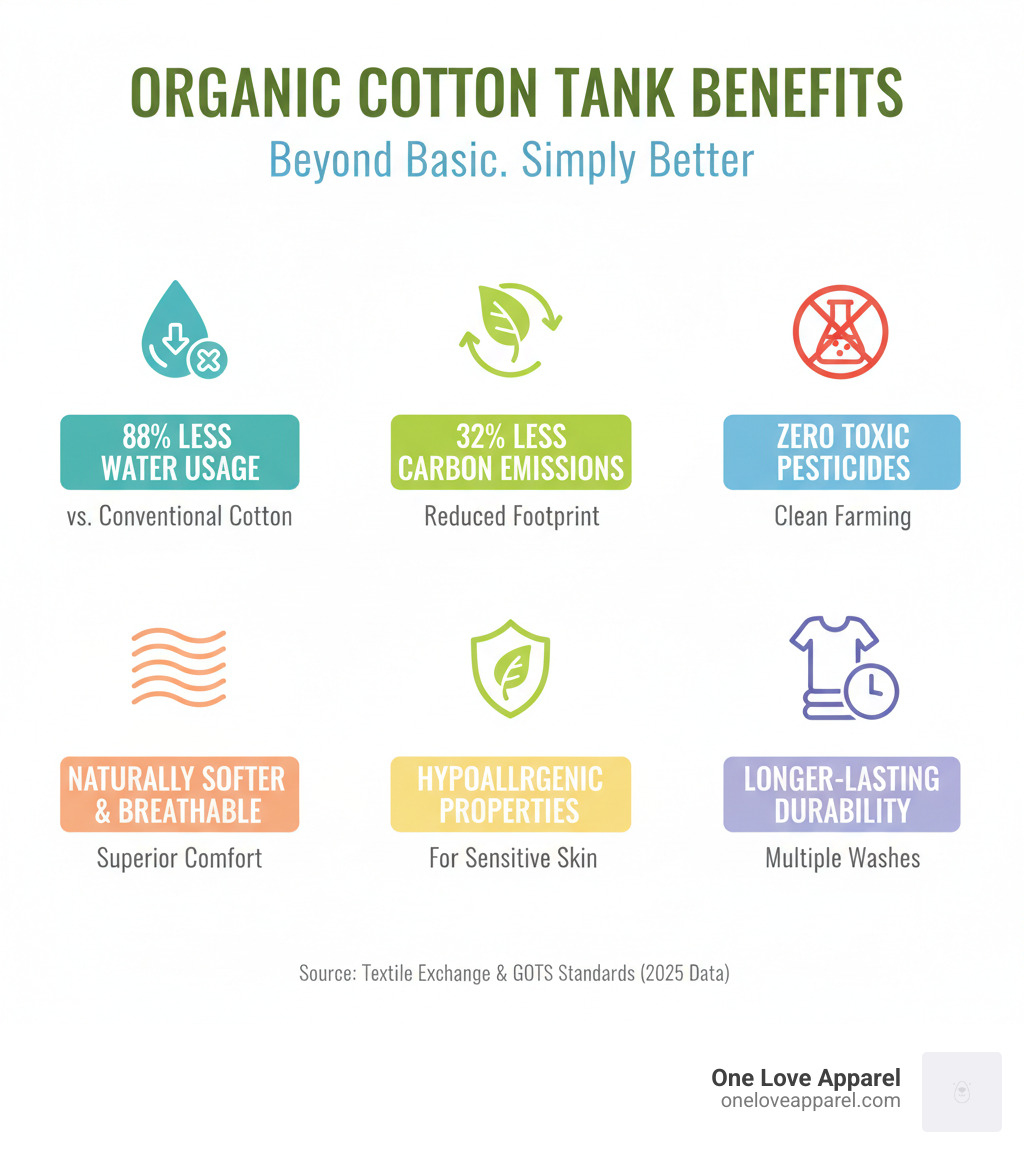
An organic cotton tank offers a combination of superior softness, environmental responsibility, and long-lasting quality that conventional tanks simply can't match. These wardrobe essentials use 88% less water, produce 32% fewer carbon emissions, and avoid toxic pesticides entirely—all while feeling softer on your skin and lasting through countless washes.
Key Benefits of Organic Cotton Tanks:
- Environmental Impact: Saves approximately 2,180 liters of water compared to conventional cotton (per garment production cycle)
- Skin Health: Chemical-free production means no pesticides, formaldehyde, or synthetic irritants
- Superior Comfort: Natural fibers provide better breathability and a softer feel than synthetic alternatives
- Durability: High-quality organic cotton maintains its shape and softness through repeated washing
- Versatility: Works as a layering piece, workout top, or standalone style for any occasion
The difference is tangible from the first wear. As one customer noted about their organic cotton tank, "The fabric embodies that nostalgic and earthy feeling of cotton"—a quality that's increasingly rare in today's fast fashion landscape.
What makes organic cotton tanks special? They're grown without synthetic pesticides or fertilizers, which means healthier soil, cleaner water systems, and safer conditions for farm workers. The result is a fabric that's naturally softer, more breathable, and gentler on sensitive skin. Many premium options use Peruvian Pima cotton, known for exceptionally long fibers that create an ultra-soft, durable fabric.
When shopping for an organic cotton tank, look for GOTS (Global Organic Textile Standard) certification or Fair Trade Certified™ labels. These certifications guarantee that your tank meets strict environmental and ethical standards throughout production. You'll typically find quality organic cotton tanks ranging from $20 to $50, with features like pre-shrunk fabric, reinforced stitching, and versatile necklines.
I'm David Vail, owner of One Love Apparel, where we're committed to offering clothing that aligns with your values without sacrificing comfort or style. Through years of working in apparel and sustainable fashion, I've seen how choosing quality pieces like an organic cotton tank can transform both your wardrobe and your impact on the planet.
Why Organic Cotton is a Smarter Choice for Your Wardrobe
When you slip on an organic cotton tank, you're making a choice that goes far beyond fashion. You're choosing a piece that respects the earth, protects your skin, and stands the test of time. There's something deeply satisfying about wearing clothing that aligns with your values—and organic cotton delivers on every level.
The difference starts in the fields where the cotton grows, continues through the manufacturing process, and extends all the way to how the fabric feels against your skin. Let's explore why organic cotton has earned its place as a wardrobe essential for conscious consumers who refuse to compromise on quality or comfort.
The Environmental Impact: Organic Cotton vs. Conventional Cotton
Picture two cotton fields side by side. One is vibrant and green, teeming with beneficial insects and healthy soil. The other is drenched in chemical pesticides, depleting water resources at an alarming rate. This is the reality of organic versus conventional cotton farming.
Water conservation is where organic cotton truly shines. While conventional cotton is one of the thirstiest crops on the planet, organic cotton farming saves approximately 2,180 liters of water for just one pair of jeans. That same water-saving approach means your organic cotton tank uses 88% less water than its conventional counterpart. When you multiply that across your entire wardrobe, the impact becomes staggering.
The carbon footprint tells an equally compelling story. Organic cotton production reduces CO2 emissions significantly compared to conventional methods—we're talking about 32% fewer greenhouse gases released into our atmosphere. Every organic tank top you choose helps combat climate change in a small but meaningful way.
Perhaps most importantly, organic cotton farming eliminates toxic chemicals entirely. No synthetic pesticides poisoning our waterways. No harsh herbicides seeping into the soil. No chemical fertilizers disrupting delicate ecosystems. This isn't just good for the environment—it creates a safer product for you and better working conditions for the farmers who grow your cotton.
Healthy soil is the foundation of organic farming. Instead of depleting nutrients with chemicals, organic practices actually enrich the earth, turning soil into a natural carbon sink that absorbs CO2 from the atmosphere. This holistic approach protects biodiversity, supports wildlife, and creates farming systems that can sustain us for generations.
There's a human element here too. Many organic cotton products, including ours, are produced under Fair Trade Certified™ conditions. This means the garment workers—often women supporting their families—receive fair wages, work in safe environments, and have opportunities to build better lives. When you choose organic, you're supporting ethical practices from farm to factory. You can learn more about the impact of this certification by visiting the official Fair Trade Certified™ website.

Benefits for Your Skin and Comfort
The environmental benefits would be enough on their own, but here's the beautiful part: an organic cotton tank also feels absolutely incredible to wear. Your skin will thank you from the first moment you put it on.
Let's talk about that premium softness. Organic cotton fibers tend to be longer and stronger than conventional cotton, which translates to fabric that feels like a gentle hug. When you choose Peruvian Pima cotton—the gold standard of organic cotton—you're getting extra-long staple fibers that create an almost silky texture. It's the kind of softness that makes you reach for the same tank again and again.
If you have sensitive skin, organic cotton becomes even more essential. Think about it: conventional cotton can carry residues from all those pesticides, chemical dyes, and synthetic finishing agents used during production. These invisible irritants can cause itching, rashes, and allergic reactions. An organic cotton tank is grown and processed without any of these harsh chemicals, making it naturally hypoallergenic and gentle even on the most reactive skin.
Breathability is where cotton truly excels, and organic cotton takes it up a notch. Whether you're wearing your tank for a workout, layering it under a jacket, or rocking it solo on a summer day, the natural fibers allow air to circulate and moisture to evaporate. You stay cooler when it's hot and more comfortable when you're active. It's the reason cotton has been humanity's favorite fabric for thousands of years.
Here's something that might surprise you: quality organic cotton is incredibly durable. Our pre-shrunk tanks maintain their shape and softness through countless washes. That flattering fit you love on day one? It'll still be there years later. This longevity isn't just convenient—it's sustainable. When your clothes last longer, you buy less, waste less, and ultimately make a bigger positive impact.
The durability of natural fibers extends beyond just cotton. If you're curious about other sustainable materials that share organic cotton's commitment to the planet, check out our article on Celebrating National Hemp Month: A Journey Through the History of Hemp in Fashion.
Decoding the Details: What to Look for in a High-Quality Organic Cotton Tank
Shopping for an organic cotton tank should feel empowering, not overwhelming. You're making a choice that matters—for your comfort, your health, and the planet. But with so many options out there, how do you know you're getting the real deal? The secret is in the details.
A truly high-quality organic cotton tank isn't just about slapping an "organic" label on the tag. It's about thoughtful construction, ethical certifications, and fabric choices that make a difference you can feel. Let's break down what separates an exceptional tank from just another piece in your drawer.
Key Features of a Premium Organic Cotton Tank
When you're investing in an organic cotton tank, certain features tell you immediately whether you're holding something special or just another mass-produced garment.
Certifications matter more than you might think. The GOTS (Global Organic Textile Standard) certification is your best friend here. This certification tracks the cotton from the field all the way to the finished tank, ensuring strict environmental and social standards at every step. When you see that GOTS label, you know the cotton was grown organically and processed without harmful chemicals. Fair Trade Certified™ is another badge worth looking for—it means the people who made your tank were paid fair wages and worked in safe conditions. These aren't just feel-good labels; they're your guarantee that real care went into every step of production.
The fabric composition tells its own story. Most premium organic cotton tanks are 100% organic cotton, which gives you maximum breathability and that incredibly soft feel against your skin. Some designs blend in a small amount of elastane—usually around 5%—to add stretch and help the tank maintain its shape. This is especially common in ribbed styles that hug your body just right without feeling restrictive.
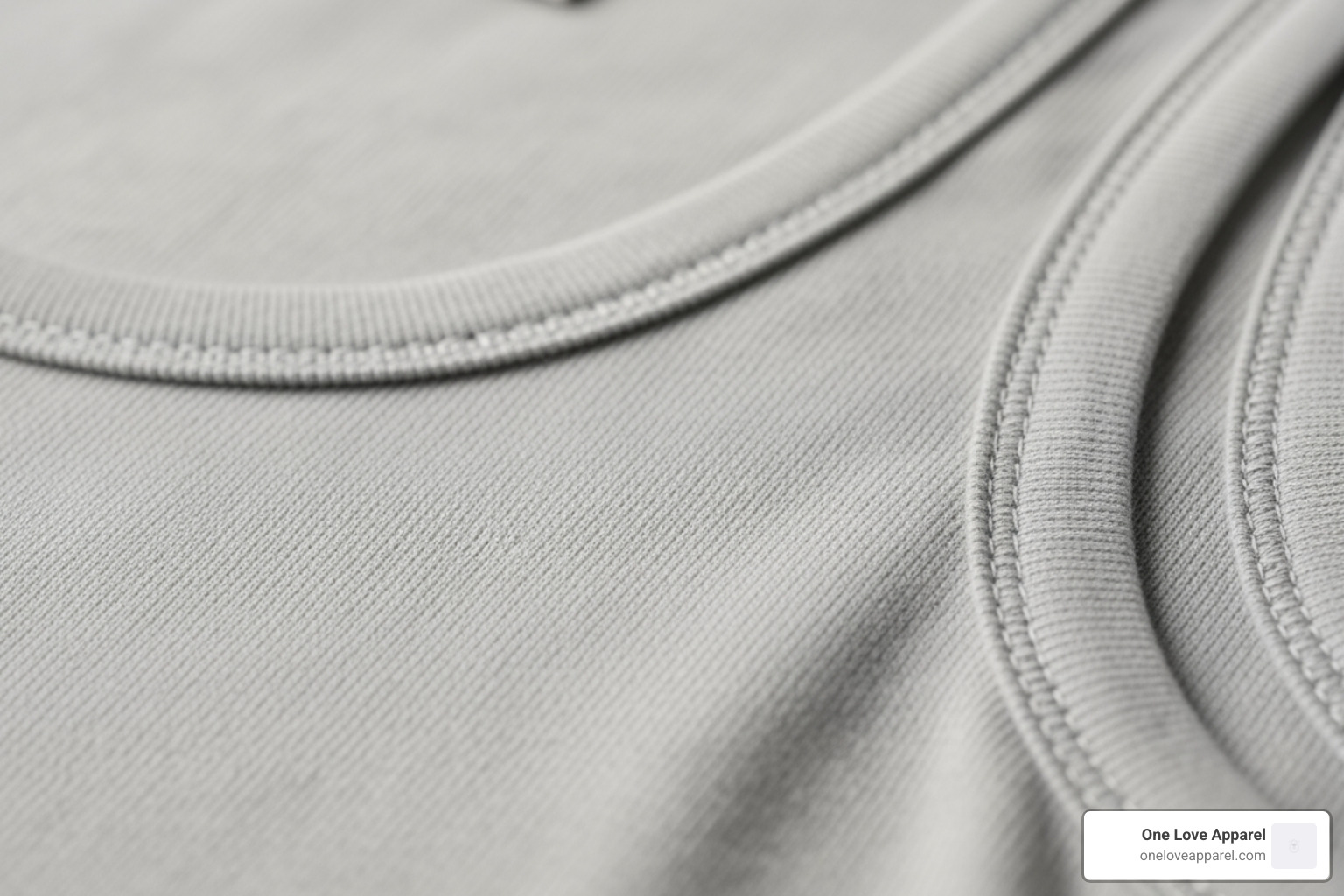
Speaking of texture, the type of knit dramatically changes how your tank looks and feels. Ribbed knit offers that flattering, contoured fit with natural stretch that bounces back wash after wash. It tends to feel slightly thicker and more luxurious. Slub knit has a wonderfully relaxed, vintage vibe with its slightly irregular texture—those subtle thick and thin areas give it character. As a bonus, slub knit naturally resists wrinkles better than woven fabrics, so you spend less time fussing with an iron. Jersey knit is the classic smooth option, with excellent drape and that soft hand-feel perfect for everyday wear.
Quality shows up in the stitching, too. Run your fingers along the seams and hems. Clean, reinforced stitching means someone took time to craft this properly. These details directly impact how long your tank lasts and how well it holds up to real life.
The fit and cut should make you feel great the moment you try it on. Whether you prefer a slim fit that skims your body or a relaxed fit with more room to move, a premium organic cotton tank is designed with real bodies in mind. At One Love Apparel, our pre-shrunk quality means the fit you love stays consistent—no surprises after the first wash.
Some tanks offer clever design elements that multiply your styling options. Reversible necklines let you switch between V-neck and scoop neck depending on your mood. Garment-dyed tanks have that rich, lived-in color from day one, with a softer hand-feel than traditionally dyed fabrics. And while Made in USA production appeals to those who want to support local economies, ethically produced tanks from Fair Trade Certified™ factories in countries like India support skilled artisans creating beautiful apparel under fair conditions.
Let's talk about price as an investment. Yes, an organic cotton tank typically costs between $20 and $50—more than a fast fashion alternative. But here's the thing: when you calculate cost-per-wear, a durable organic tank that lasts years becomes incredibly economical. You're not just buying a tank; you're investing in your health, supporting sustainable farming, and ensuring fair treatment for garment workers. That's worth something.
Comparing Organic Cotton Tanks to Other Materials
Understanding how an organic cotton tank compares to other options helps you appreciate what you're getting.
Sustainability is where organic cotton truly shines. It uses significantly less water, eliminates pesticides entirely, produces fewer carbon emissions, and often comes with Fair Trade certification. Conventional cotton, by contrast, guzzles water and relies heavily on chemicals that degrade soil. Synthetic materials like polyester have improved with recycled options, but they're still energy-intensive to produce and won't biodegrade for centuries.
Breathability is another clear winner for organic cotton. Those natural fibers allow air to circulate freely, which keeps you comfortable and helps regulate your temperature. Conventional cotton breathes reasonably well, but chemical treatments can reduce this natural ability. Synthetics often feel clammy and can trap odors, even when designed for moisture-wicking.
For skin-friendliness, organic cotton is best. It's naturally hypoallergenic, free from chemical residues, and gentle enough for the most sensitive skin. Conventional cotton may contain pesticide residues or finishing agents that irritate some people. Synthetics can feel scratchy or cause reactions, especially with extended wear.
Durability might surprise you. High-quality organic cotton maintains its shape and softness through countless washes, especially when you care for it properly. The strong fibers stand up to real life beautifully. Conventional cotton can weaken over time due to chemical treatments. Synthetics are very strong and resist shrinking, but they tend to pill and never quite feel as natural against your skin.
The softness of premium organic cotton—particularly Peruvian Pima—is something you notice immediately. Conventional cotton can be soft, but often requires chemical treatments to get there. Synthetics might feel smooth, but there's always that distinct artificial texture that gives them away.
Finally, biodegradability matters when we think long-term. An organic cotton tank will eventually return to the earth naturally. Conventional cotton does too, though it may leave chemical traces. Synthetic tanks stick around in landfills for hundreds of years, contributing to waste we're still figuring out how to manage.
When you choose an organic cotton tank, you're choosing fabric that performs beautifully while aligning with your values. That's the kind of decision that feels good every time you wear it.
A Style for Every Body: Finding Your Perfect Tank
One of the best things about an organic cotton tank is how beautifully it adapts to different bodies and personal styles. We've designed our collection with real people in mind—people who want to feel comfortable and confident, whether they're running errands, hitting the gym, or meeting friends for coffee.
The right tank style can make all the difference in how you feel throughout your day. A racerback design offers extra freedom of movement and looks great peeking out from under casual jackets or worn on its own during workouts. The classic scoop neck provides timeless versatility that flatters most body types and works seamlessly with jeans, shorts, or skirts. If you prefer something a bit more refined, a V-neck creates a lengthening effect that's particularly flattering, while a high-neck or mock neck style offers more coverage and a modern, sophisticated look.
For those who love a relaxed, easygoing vibe, a muscle tank with deeper armholes provides breathability and a laid-back aesthetic that's perfect for warm weather or layering under flannels and hoodies. Some of our tanks even feature reversible designs with both V-neck and scoop neck options, giving you two looks in one piece—talk about versatility!
Fit matters just as much as style. We offer both slim fit options that contour to your body for a more custom appearance, and relaxed fit styles that provide easy, comfortable drape. Our pre-shrunk quality means the fit you love on day one stays consistent through countless wears and washes.

Styling Your Tank for Any Occasion
Here's where an organic cotton tank truly earns its place as a wardrobe essential. We've watched our customers transform these simple pieces into countless different looks, proving that versatility and sustainability can absolutely go hand in hand.
Think of your tank as the foundation of your outfit. As a layering piece, it creates a smooth base under cardigans, blazers, button-ups, or lightweight jackets without adding bulk. The soft organic cotton feels comfortable against your skin all day, even under multiple layers. When temperatures rise, that same tank becomes a standalone top that looks effortlessly put together with your favorite denim shorts, a flowing skirt, or classic jeans.
The breathability of organic cotton makes it an ideal workout essential too. Whether you're flowing through yoga poses, hitting the trails, or tackling your gym routine, the natural fibers move with you and keep you comfortable. Unlike synthetic fabrics that can trap heat and odors, organic cotton lets your skin breathe.
For casual wear with jeans, you really can't go wrong. It's the uniform of weekend mornings, farmers market trips, and lazy afternoons. But don't underestimate how easily you can dress it up with a skirt—tuck a fitted organic cotton tank into a midi or maxi skirt, add some jewelry and sandals, and you're ready for dinner out or a summer evening gathering.
Even professional settings can work with the right approach. Layer a high-neck or scoop neck tank under a structured blazer or cardigan for office-appropriate style that keeps you comfortable through long meetings and commutes.
The beauty of choosing conscious fashion like an organic cotton tank is that it often opens up meaningful conversations. When someone compliments your style, you get to share why you chose sustainable, ethical clothing. Learn more about this in our article: Wearing Your Heart on Your Sleeve: How Apparel Can Spark Conversations About Causes That Matter.
Frequently Asked Questions about Organic Cotton Tanks
You're thinking about making the switch to an organic cotton tank, and we love that! But we know you probably have questions. After years of helping customers find their perfect sustainable pieces, we've heard it all—and we're here to help.
What certifications should I look for?
Think of certifications as your shopping sidekick—they do the homework for you, so you know exactly what you're getting when you invest in an organic cotton tank.
The GOTS (Global Organic Textile Standard) certification is the gold standard for organic textiles. When you see GOTS on a label, you're looking at a tank that's been verified organic from the cotton field all the way to the finished garment. It covers everything: environmental standards, social responsibility, and ethical manufacturing. It's the real deal.
Then there's Fair Trade Certified™, which focuses on the people behind your clothes. This certification means the farmers and garment workers—often women working to support their families—receive fair wages, work in safe conditions, and have opportunities for community development. When your organic cotton tank carries this label, you're supporting ethical practices at every step.
You might also see OEKO-TEX Standard 100 on some products. While it's not specifically an organic certification, it's still valuable. It means every single component of the garment—fabric, thread, even the little tag—has been tested and found free of harmful substances. For anyone with sensitive skin, this is extra peace of mind.
Understanding these labels takes the guesswork out of shopping and helps you support the values you care about.
How do I care for my tank to make it last?
Here's the good news: caring for your organic cotton tank is actually pretty simple. A little attention goes a long way toward keeping it soft, comfortable, and looking great for years.
Always machine wash cold with similar colors. Cold water is gentler on the fibers, prevents fading, and saves energy—a win all around. When it comes to drying, tumble dry on low or, even better, air dry by laying it flat or hanging it up. High heat can be tough on cotton fibers over time, causing unnecessary wear and potential shrinkage.
Avoid bleach at all costs. It weakens the fibers and can strip away the natural beauty of the fabric. If you need extra brightening power, oxygen-based alternatives work beautifully without the damage. Speaking of natural fabric care, our tanks—especially those in slub knit—naturally resist wrinkles better than many woven fabrics. A quick shake before drying usually does the trick.
We take pride in offering pre-shrunk quality in all our tanks. This means the fit you fall in love with on day one stays true wash after wash. No surprises, no disappointment—just consistent comfort. Stick with gentle, eco-friendly detergents to maintain the integrity of those organic fibers, and your tank will reward you with years of reliable wear.
Is organic cotton worth the higher price?
Let's be honest: an organic cotton tank typically costs more upfront than a conventional one. But when you zoom out and look at the bigger picture, it's actually one of the smartest investments you can make for your wardrobe.
Think about cost-per-wear. If you buy a $40 organic cotton tank and wear it 50 times (which you absolutely will, because it's so comfortable), that's just 80 cents per wear. Compare that to a $15 conventional tank that loses its shape after 10 washes—that's $1.50 per wear. The math speaks for itself.
The durability of organic cotton is real. Because the fibers haven't been weakened by harsh chemicals during farming and processing, they're naturally stronger and more resilient. Your tank resists pilling, fading, and stretching. It maintains its flattering fit and soft feel through countless wears and washes. That's genuine long-term value.
You're also making an investment in your health. By choosing chemical-free organic cotton, you're avoiding potential irritants and harmful substances that can linger in conventional fabrics. For anyone with sensitive skin, this benefit alone is priceless.
And then there's the environmental cost—the one that doesn't show up on the price tag but matters enormously. Conventional cotton's "bargain" price doesn't account for the pesticide pollution, water waste, or carbon emissions. When you pay a bit more for an organic cotton tank, you're supporting sustainable farming practices, fair labor conditions, and a healthier planet. You're voting with your wallet for the kind of world you want to live in.
An organic cotton tank isn't just clothing. It's a choice that reflects your values and a commitment to quality that truly lasts.
Conclusion
When you choose an organic cotton tank, you're making a decision that extends far beyond your closet. You're choosing a garment that saves thousands of liters of water, eliminates harmful pesticides from our soil, and supports fair wages for the people who made it. You're choosing fabric that feels softer against your skin, breathes naturally through your busiest days, and maintains its quality wash after wash.
We've explored what makes these tanks special—from the GOTS and Fair Trade certifications that guarantee ethical production, to the premium Peruvian Pima cotton that delivers best softness. We've looked at how a single organic cotton tank can transform from a workout essential to a layered office piece, from casual weekend wear to an evening outfit with the right accessories.
At One Love Apparel, we understand that comfort and values don't have to be separate choices. Our high-quality, pre-shrunk tanks are designed to fit beautifully from the first wear and maintain that flattering shape through years of use. We believe that when you feel good in what you're wearing, and you know it was made responsibly, that confidence shows.
This is what conscious consumerism looks like in practice. It's not about perfection—it's about making thoughtful choices where we can. An organic cotton tank might cost a bit more upfront, but when you consider the cost-per-wear, the health benefits, and the positive environmental impact, it's an investment that makes sense on every level.
Your wardrobe can be a reflection of what matters to you. Every time you reach for that soft, comfortable tank, you're casting a vote for sustainable farming, ethical labor practices, and quality that lasts. You're part of a movement toward fashion that feels as good as it looks.
Ready to explore how your clothing choices can spark meaningful conversations? Learn how your clothing can spark important conversations about the causes that matter most to you.